Daily Challenge Check-in: September 14, 2015

Words/Time: 40 minutes, half of which was revising “Pithea.” I further streamlined Missy and Drear’s conversation and stopped at the beginning of last big scene, which contains the climax and other major things.

I started my writing time again doing some of the activities in my second post of NaNo prep activities. I fell behind in my own assignment, because I’ve had sporadic time to work on this lately. Our 5-year-old is in an awful “fight bedtime” phase right now, which narrows my normal evening writing time by a lot. Plus I still have revising work I need to be doing.

Seeds for NaNoWriMo Part 3

crest-bda7b7a6e1b57bb9fb8ce9772b8faafb

Below are today’s ideas to produce seeds for NaNoWriMo (or any writing project). Remember: the point is not to develop an entire plot. It’s simply to create inspiration. Write what is suggested for each numbered item, or whatever else may come to your mind. Then set that aside for now and do another one.

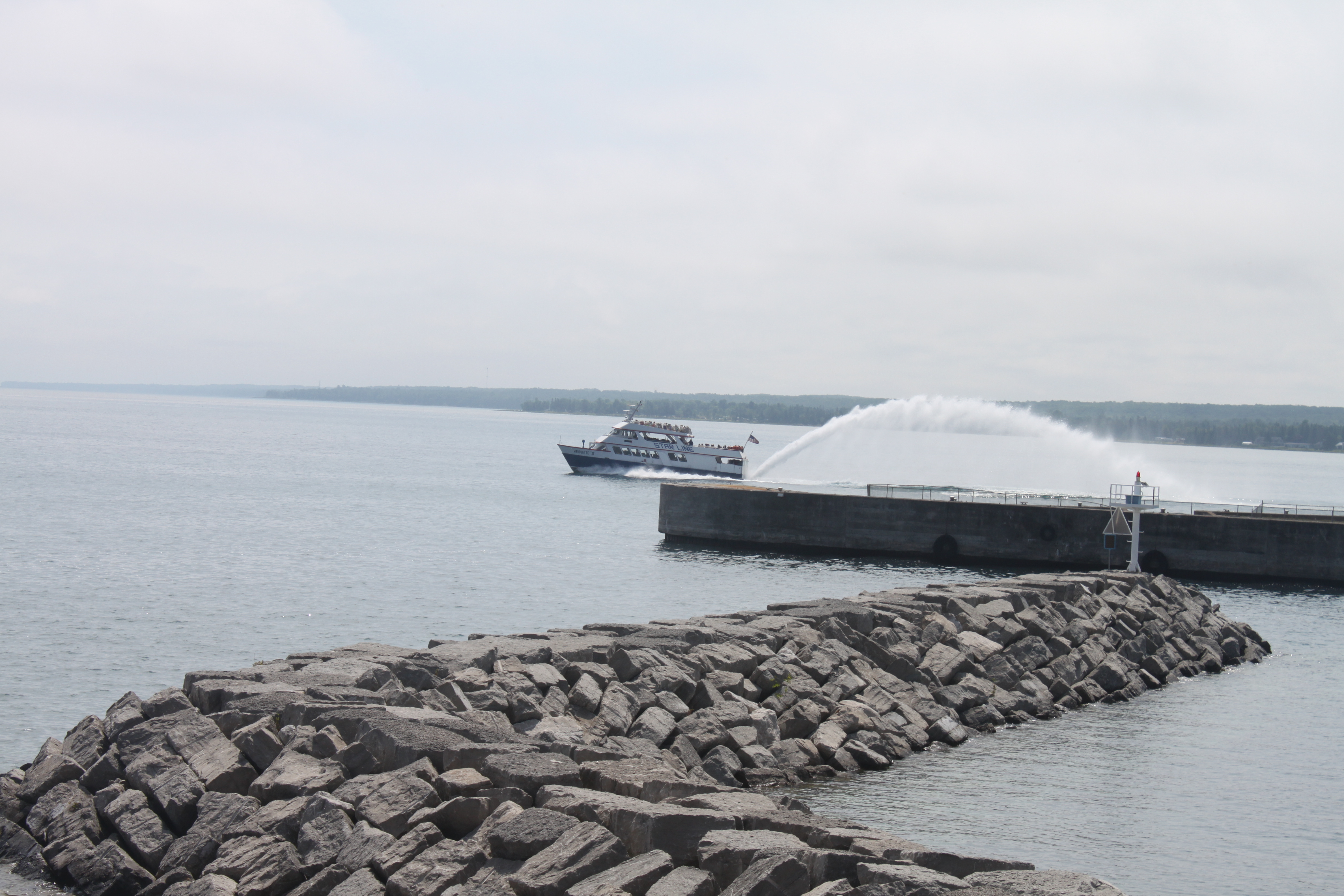
setting 1

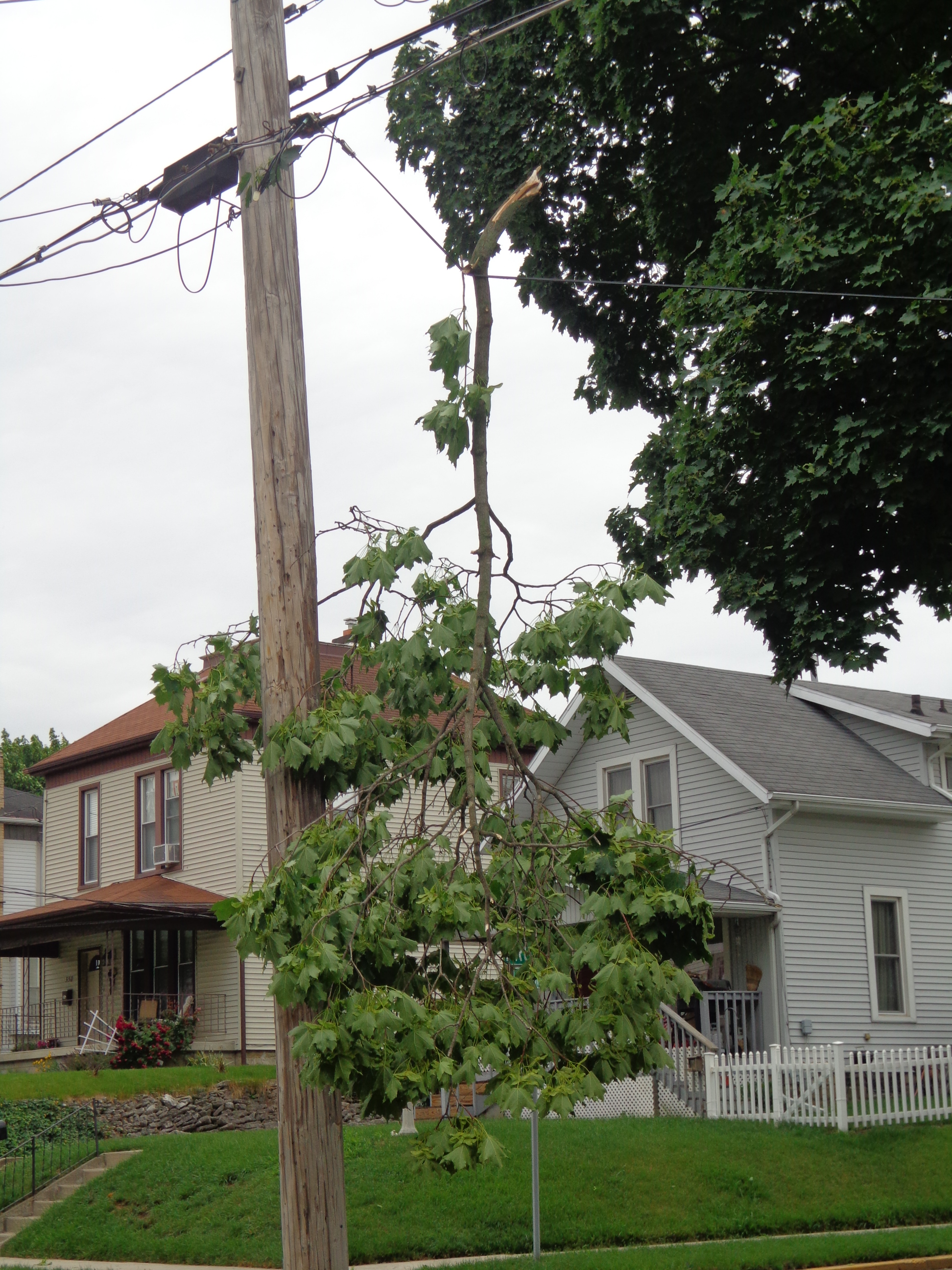
1. Write a detailed setting based on the above picture. Try to include all five senses. Whatever your instincts or preferences for setting and detail, try to over-exaggerate the scene. Write it however you’re comfortable–with a person there to experience it, from a first-person perspective, or simply describe it from a distance.

2. Visit an online plot generator site like this one. Play around with it until a plot or combo of elements shows up that strikes your interest. Then write a scene from the story that you think would result. (For this one, I suggest keeping both what you write and the item[s] generated that prompted it.)

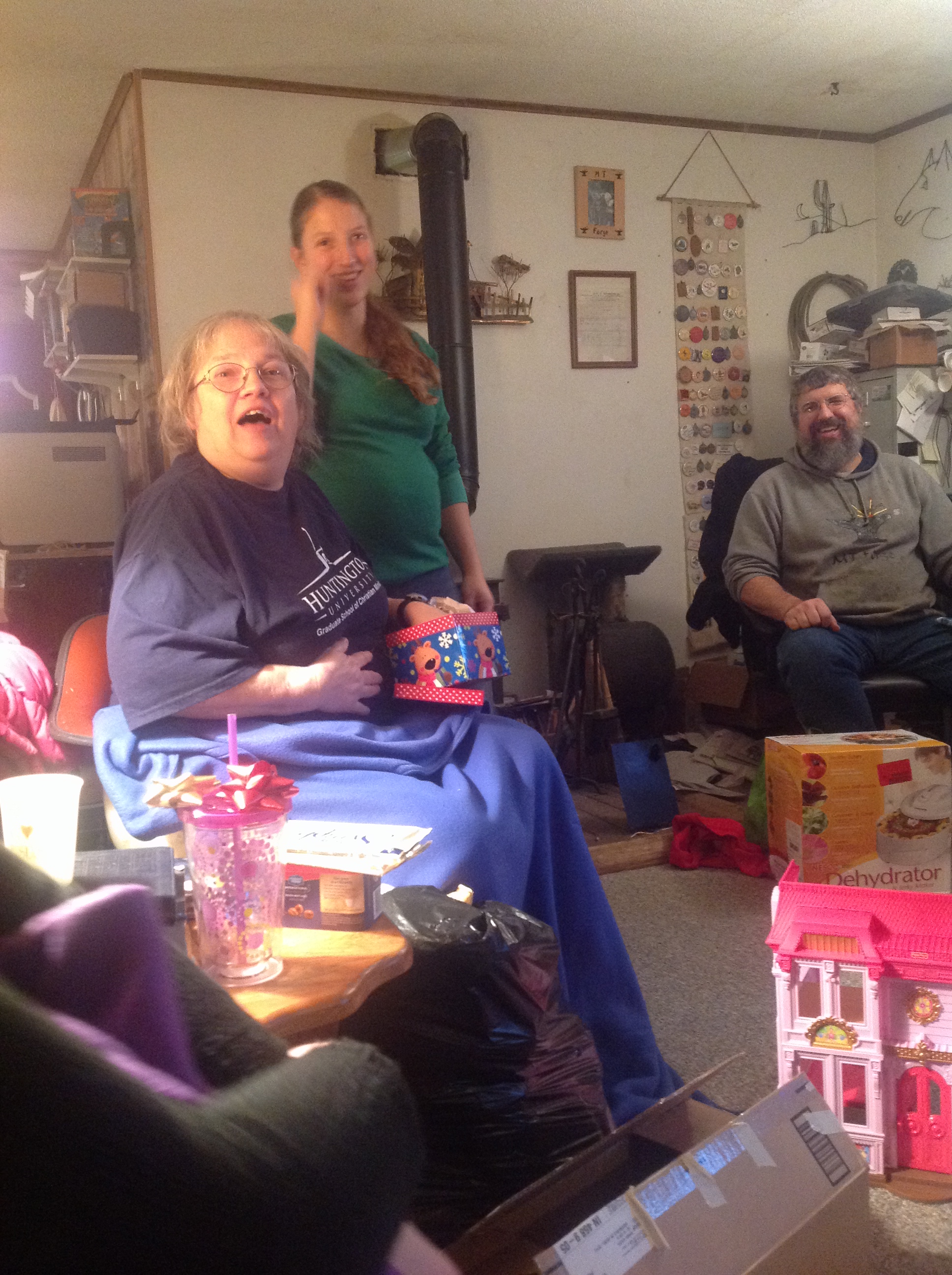
event 1

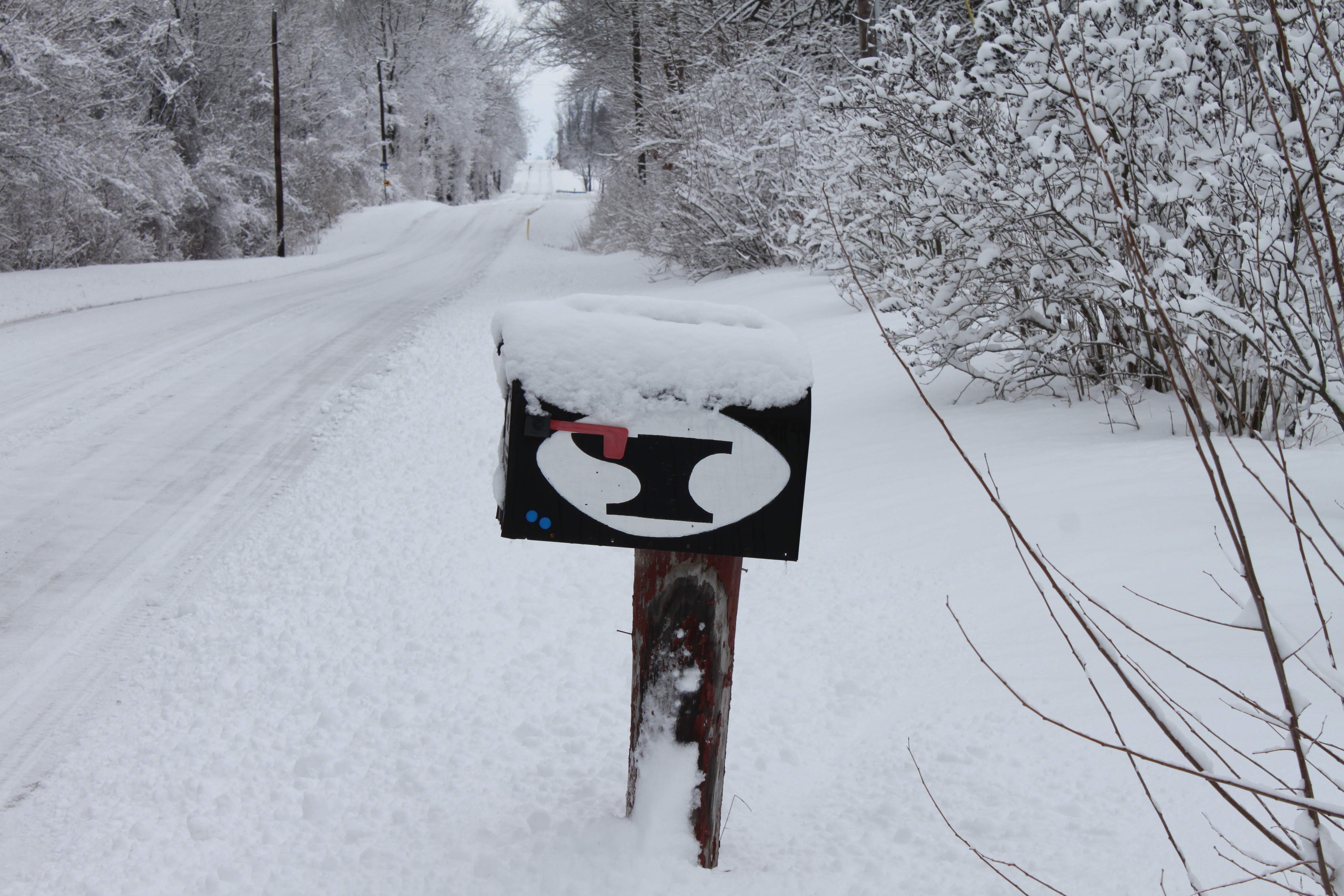
3. Write a scene from this image. What has happened before this was taken? What else is going on around this? As a result of this? Look at the details, the background. What emotions might be present in the people who live around here?

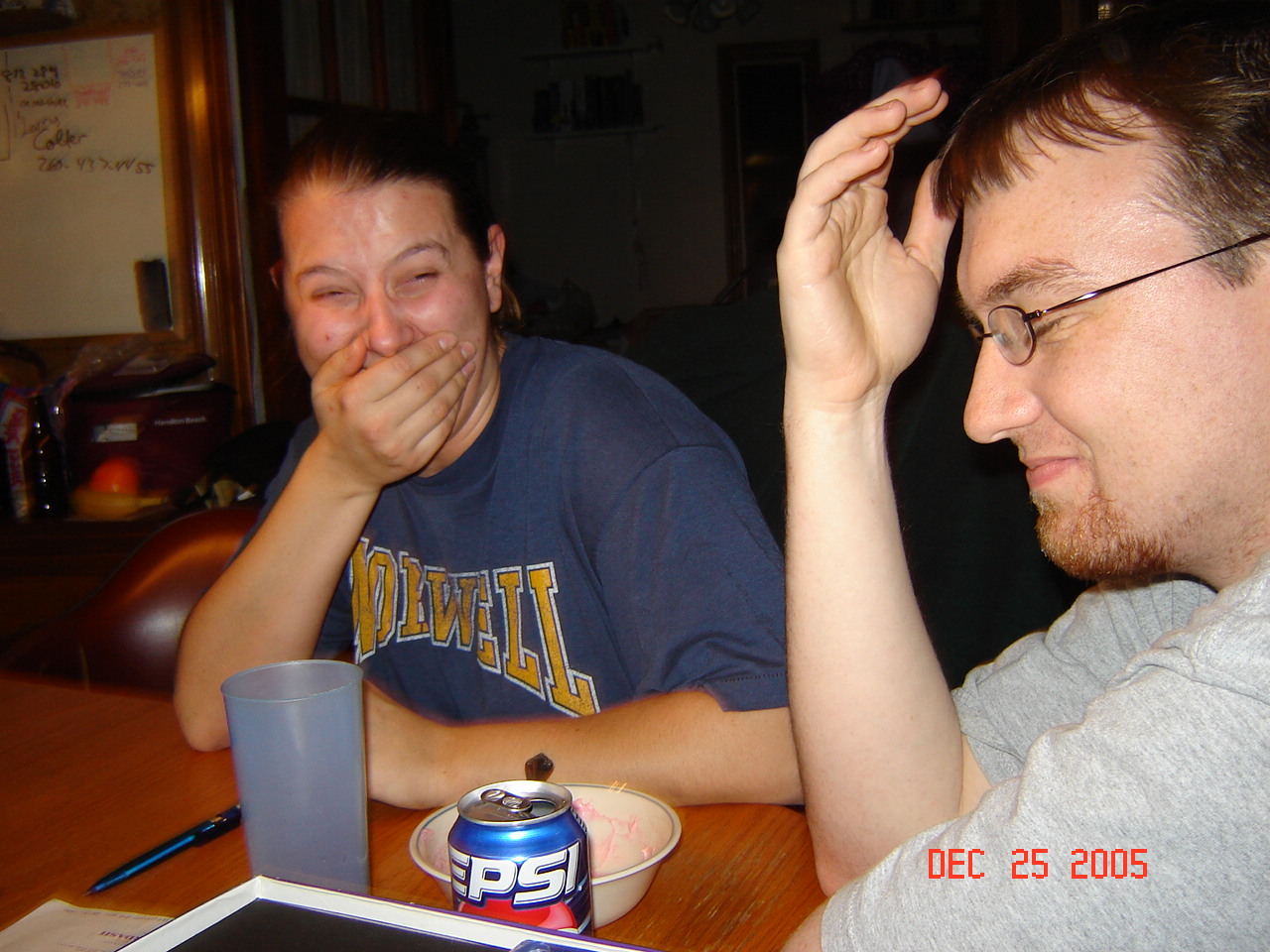
4. Think of an event in your life that produced strong emotions–anger, fear, elation, etc. Write a summary of the event, making sure to include a lot of detail about the emotions you felt.

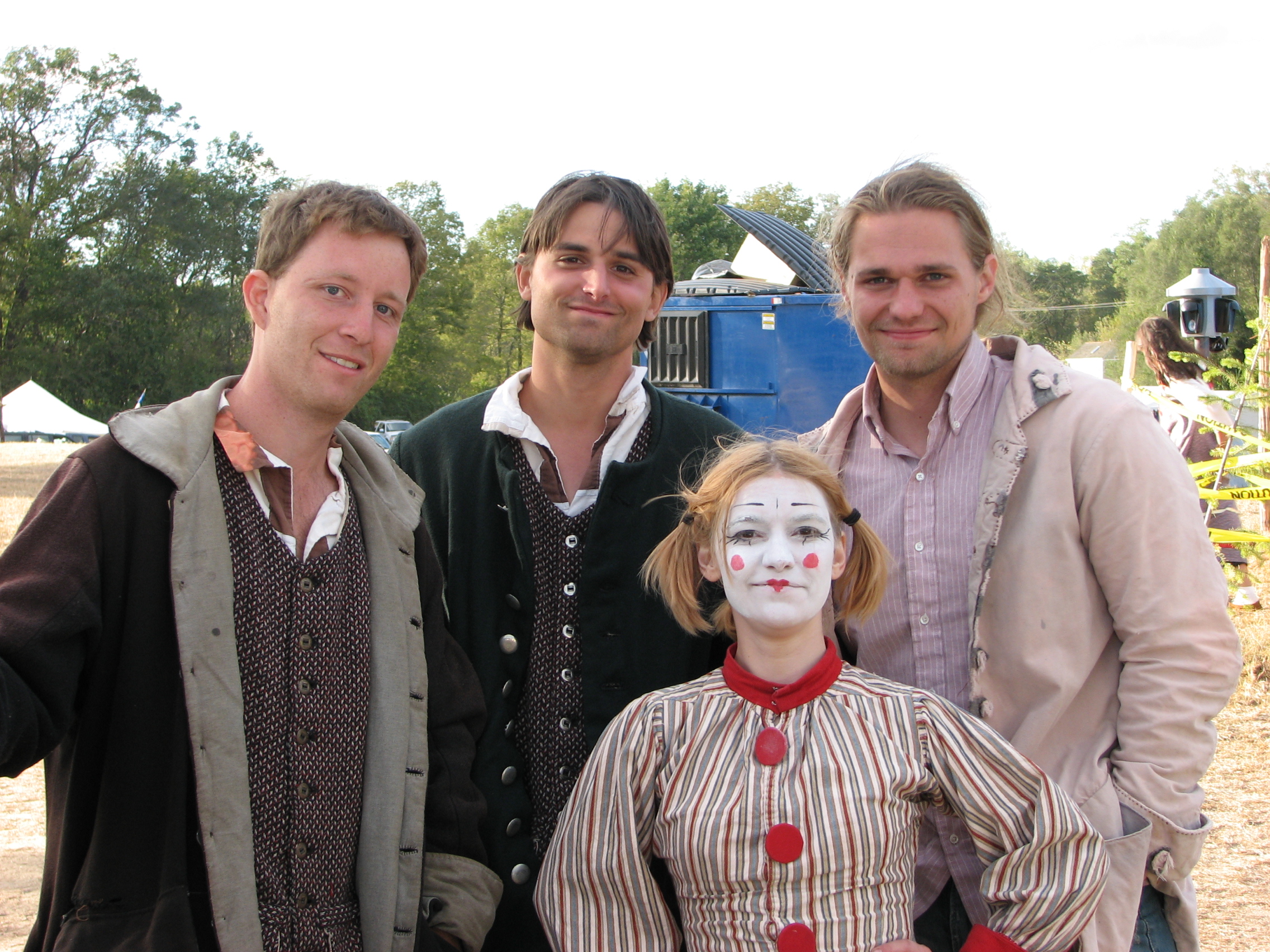
people 1

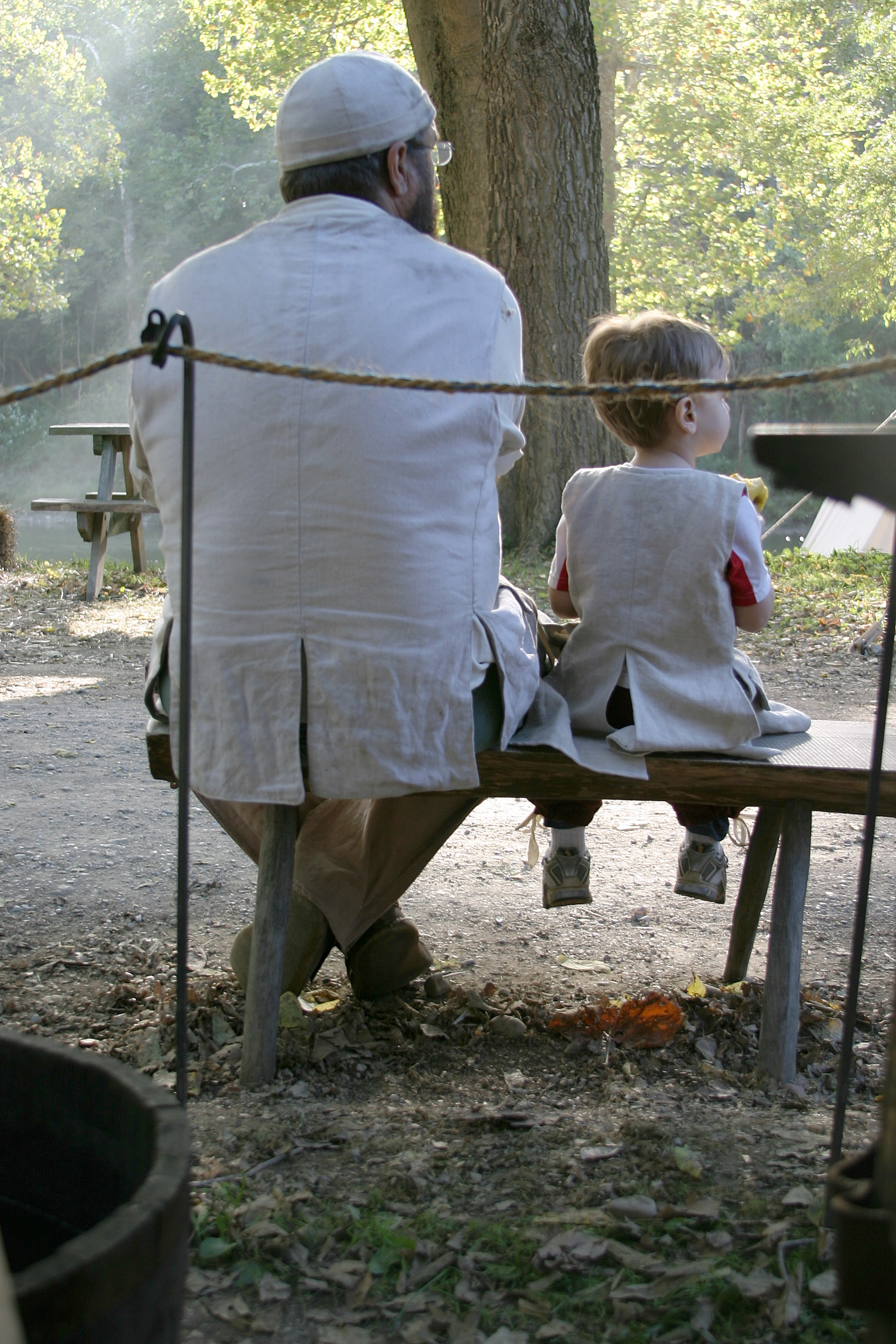
5. Write about these two people. What are their names? What are they doing or talking about? What is their relationship to each other? Find a way to include their clothing and their surroundings, either as what they’re meant for (if you know what that might be), or in a completely different way. Be specific.

6. Go back to the pictures and find some way to make them all fit together. This doesn’t mean that they all have to somehow be worked into the same scene, or even the same day within the story. But find some way to connect them all to each other, some story that would encompass them all. Then write the synopsis (as broad or specific, long or short as you need it to be) that involves three images.

You do not have to stick with what you already wrote for any of them; you can go different directions with any of them to make them fit together.

Other posts like this one: Story Seeds 1, Story Seeds 2, Story Seeds 4

Daily Challenge Check-in: September 13, 2015

Words/Time: 35 minutes, 20 of which was revising “Pithea.” The initial discussion between Missy and Drear makes more sense now, since before it was written as if Missy had been gone for 8 hours, when it was really more like 1.5.

I started my writing time doing one of the activities in my second post of NaNo prep activities. I only did the one because I knew my writing time was limited and I needed to get some revision in. I wrote a good bit for it though, and my hand started hurting quickly. It does that when I write by hand now…guess I’m not used to it enough anymore.

Seeds for NaNoWriMo Part 2

crest-bda7b7a6e1b57bb9fb8ce9772b8faafb

Below are today’s ideas to produce seeds for NaNoWriMo (or any writing project). Remember: the point is not to develop an entire plot. It’s simply to create inspiration. Write what is suggested for each numbered item, or whatever else may come to your mind. Then set that aside for now and do another one.

setting 4

1. Write a detailed setting based on the above picture. Try to include all five senses. Whatever your instincts or preferences for setting and detail, try to over-exaggerate the scene. Write it however you’re comfortable–with a person there to experience it, from a first-person perspective, or simply describe it from a distance.

2. Look over the following list of words and write a few paragraphs using as many of them as you can:
loquacious, truculent, dudgeon, jocund, crotchety, disconsolate, ambivalent

event 4

3. Write a scene from this image. What’s going on in this picture? Who are these people and what have they been doing on that stage? What is the atmosphere like? The excitement, the energy in the room? How does it feel to be at this event? What will happen next?

4. Take a walk around your block or down your street. Look for things you’ve never noticed before; pay attention to every little detail. When you get back, write down anything that stuck out to you, anything you may want to remember, be it about people, sights, or even sounds that you noticed on the walk.

people 4

5. Write about these two people. What are their names? What are they doing or talking about? What is their relationship to each other? How do they feel in this picture and why? Be specific.

6. Go back through all of the previous activities and make them all fit together. This doesn’t mean that they all have to somehow be worked into the same scene, or even the same day within the story. But find some way to connect them all to each other, some story that would encompass them all. Then write the synopsis (as broad or specific, long or short as you need it to be) that involves all five previous elements.

You do not have to stick with what you already wrote for any of the activities (except maybe for number 4); you can go different directions with any of them to make them fit together.


Though none of these seeds, or the ones that I still plan to post, lend themselves specifically to speculative fiction (fantasy, sci-fi, etc.), that doesn’t mean they are unusable if you plan to write in that genre. Most of the ideas that you will produce will be easily adaptable to another world. If you’re considering writing something in the speculative fiction realm and don’t already have a world to set it in, you may try this site, or look online for other sites that would help. I have built exactly one world, and I’m still not done tinkering with it. I have little to offer in the way of advice in this area.

Other posts like this one: Story Seeds 1, Story Seeds 3, Story Seeds 4

Daily Challenge Check-in: September 11, 2015

Words/Time: 55 minutes, 35 of which was revising “Pithea.” Missy and Leahna’s conversation about what Leahna is mixed up in is more streamlined. It gives Missy (and the reader) actual info, but I’ll wait for the opinions of the TCSTB about whether that part should stay or remain more of a mystery. Also, Missy realizes even more about why the bad man who tried to kill them all seemed so familiar. Another point I’m actually not sure should stay.

I again started my writing time doing some of the activities on the post I made yesterday with NaNo prep activities. I did two more of the activities–3 and 6. I won’t be able to do to 4 without remembering to do it during the day (my writing time is almost always at night), and the picture for number 5 proved to be too difficult to write for, since I know who they are.

Tomorrow there will be a new list.

Tips for NaNoWriMo

crest-bda7b7a6e1b57bb9fb8ce9772b8faafb
Before I share another list of story seed ideas, I’m going to take today to discuss NaNoWriMo itself a bit more. 50,000 words in a month is a lot of work for each day, and it often takes not only pre-planning, but also a variety of tricks for Wrimos to prevail with their sanity intact.

Before November, I will share various things I have learned about how to survive–no, how to thrive during the potentially harsh conditions of NaNoWriMo. For now, I am going to focus on tips that you can start doing right now, while you’re still planning out your novel weeks in advance.

1. Give it time.
In a previous blog post, I suggested using the next several weeks as practice for NaNoWriMo in the area of finding and making daily writing time. Whether you are using my activities or doing pre-writing of your own, commit to working on it daily. Find or make some time in your day when you are able to sit down and work on the plot, characters, outline, or whatever you’re doing. It doesn’t have to be the amount of time you will need to write 1667 words each day in November, but maybe 15-20 minutes.

Take this time to learn what works best for you, so that by November, you know how to make the most of your writing time. Do you require absolute silence? If yes, when can you find that? Is your ideal time late at night when others are asleep? During your lunch break? First thing in the morning? Figure that out while also developing the actual content of your novel. (For pantsers, the real hardcore ones, who are doing absolutely no planning before November 1, you can still make time every day to free write in anticipation of daily writing in November.)

2. Find your space.
In a similar vein as figuring what when you work best, it can also be good to know in advance where and how you work best. Do you need a comfy spot? Maybe you work better at a desk or table with a straight-backed chair.  Where can you go to have the solitude you need? Or do you prefer some noise? Give coffitivity.com a try for a steady coffee shop background noise available anywhere you happen to be. Sometimes a little noise is good, but too much (people in the room, or even music with lyrics) can be bad.

Use your planning time to try out different locations and environments and see what works best. Do some work with pen/pencil and paper and some with a computer. Do you enjoy the tactile feel of writing by hand? Do you prefer the speed that typing can provide? This is the time to find out!

3. Write every day.
It is easier said than done, I know. However, it can make all the difference. If I don’t do some sort of writing work every day, it’s that much easier to fall into a fit of laziness and do nothing for weeks at a time. Pushing myself to work on my revision every night that I am not too busy keeps me going forward.

During NaNo, words can add up fast. But so can lack of words. One missed day means you’re 1667 words behind. Two missed days means you’re 3333 words behind. It can be stressful to start building that gap. I know not everyone is able to make writing a part of every day, but it is important to make a solid effort to do so. So instead of thinking of this planning time as less important, start getting used to making yourself do at least some work every day. There’s always something that can be done, because even if your plot is fully outlined before November 1, you can free write for practice. It can make you a better writer, and it also helps build good habits.

4. Make it official.
If you’re new to NaNoWriMo, make sure you sign up on the site. Find your home region and see if there are already events planned. Introduce yourself sometime between now and November. Check out the forums (try not to get too overwhelmed), fill out your profile, look for writing buddies, and enter your novel info once you have one to enter. Get familiar with the site and where you will need to update your word count and validate your win near the end of the month.

And lastly, tell everyone you know that you plan to write a novel during November. Explain to them why you may be tired, moody, or unavailable a lot during that month. (Or invite them to join you!) Friends and family members are often good at cheering us on during the month. Sometimes, just knowing that you’ve announced to people that you’re planning to undertake a big challenge makes you work that much harder to accomplish it.

Whether you’re new to NaNoWriMo or a veteran, if you’re not currently in the habit of writing regularly, November 1st can come as quite a shock. 1667 words may flow out of you in 20 minutes, but more likely, it will take more time than that. Easing into it now may keep you from hitting a wall very early in the month.

What about you? How are you preparing for NaNoWriMo? If you’ve done this all before, do you have any tips on how to get ready?

Daily Challenge Check-in: September 10, 2015

Words/Time: 48 minutes, half of which was revising “Pithea.” Missy and Leahna now wait to talk about Missy’s concerns until they have left the company of Alexander. And Missy is not quite as in the dark or naive as she was before about Leahna’s own part in Alexander’s questionable actions.

But I started my writing time doing some of the activities on the post I made today with NaNo prep activities. I have a partial outline for the story I have been planning to write for this year’s NaNo. It is another in the same world as “Pithea.” I’m still working on editing “Pithea” (though I’m actually seeing the light at the end of that tunnel), and then I have “Pursuit of Power” to start revising. It is not the most important thing right now for me to add another novel to that pile.

So I’m going to take some time out of my normal revising work over the next week or so and do some of the activities that I’m suggesting for others. I only got to two of them, and then realized how difficult it would be to make something up for the second image, since I know those people and what’s going on in that picture. Not impossible, but more time than I wanted to spend, since I still had normal revision work to get to.

And while I may still decide to write the story I’ve already outlined, maybe I’ll go with something I produce from these activities instead. There’s still a lot of time to decide.

Seeds for NaNoWriMo

crest-bda7b7a6e1b57bb9fb8ce9772b8faafb

Writing a novel is a daunting task, even when one is not trying to write it in a month. The important thing to remember is that you don’t have to sit down and immediately start writing it. Planning out a story beforehand, in broad measures or tiny details, can make all the difference to how well NaNoWriMo will go.

With just over six weeks until November, this is the perfect time to start generating ideas. That gives us plenty of time to come up with a lot of seeds from which to pick. Over the next several days, I’m going to post a series of images, prompts, word lists, and other such things that are meant to inspire ideas. I’m going to try to include a variety of stimuli, because everyone’s brain works differently. Some may be more visual, while others work well with words.

Below are today’s ideas to produce seeds. The idea is not to write a full story from these. It’s also not to develop an entire plot, or list of characters, or even a set-in-stone setting. It’s simply to create inspiration. Write what is suggested for each numbered item, or whatever else may come to your mind. Then set that aside for now and do another one.

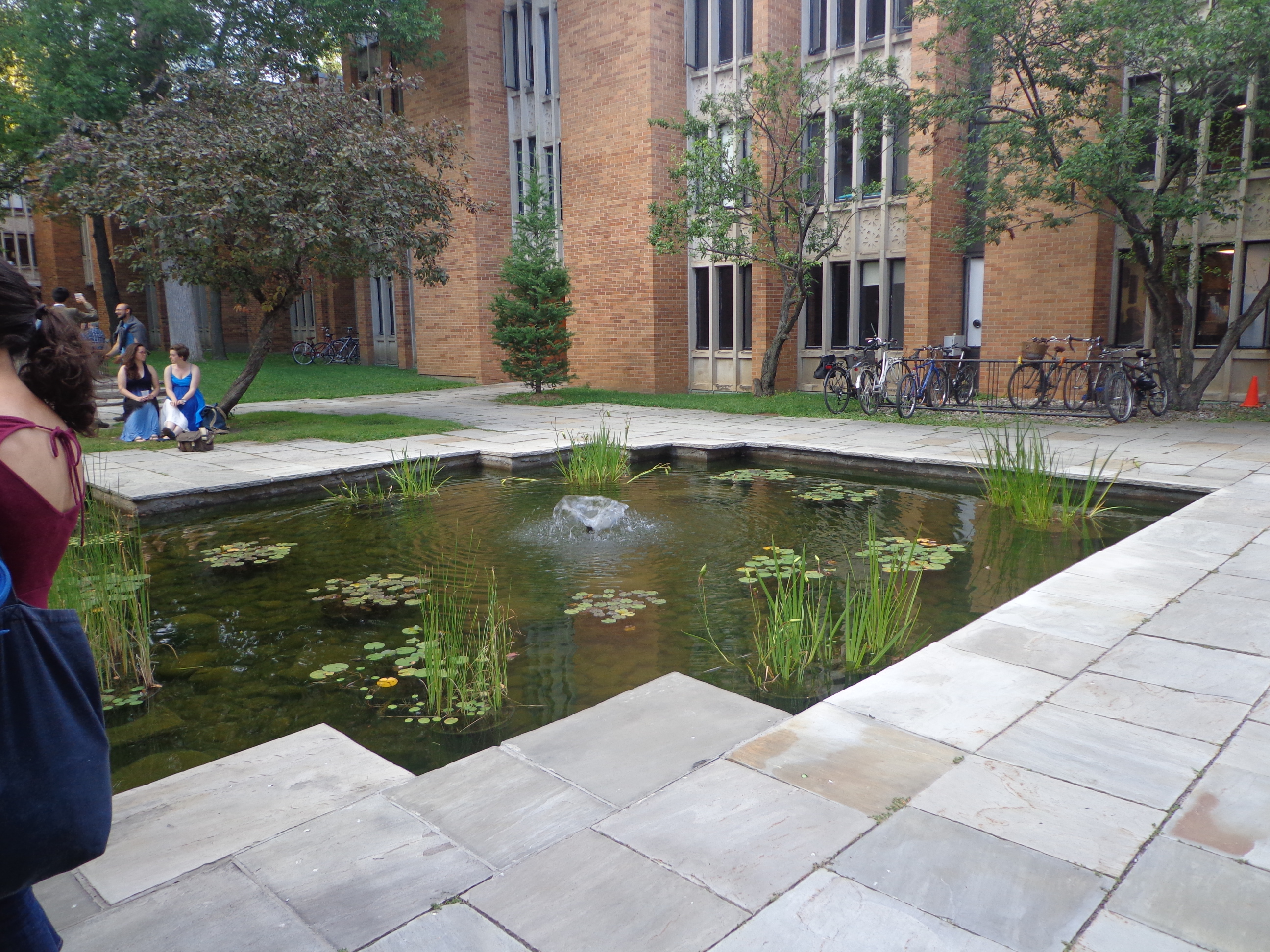
setting 3

1. Write a detailed setting based on the above picture. Try to include all five senses. Whatever your instincts or preferences for setting and detail, try to over-exaggerate the scene. Write it however you’re comfortable–put a person there to experience it, write from a first-person perspective, or simply describe it more broadly. (Ex. “The air smells of…The water sprays…”)

2. Writing prompt–set a timer for 15 minutes and write whatever comes to your mind about the following statement:
You walk into a coffee shop and see Batman sitting in the corner booth.

event 3

3. Write a scene from this image. Explain what these people are looking at. Or write about what just happened that led to this image. Give the people voices, personalities. Find details in the room to include in the scene (what time of year might it be?).

4. Find some time to sit in a crowded place–the mall, a park, a bench on a downtown street. Watch people walk by and imagine what they’re doing. Imagine what they’re saying to each other. Jot down some of your ideas. Or pick out a specific person and give them a name, a career, a destination, a reason for being there.

people 3

5. Introduce these four people as a cast of characters in a story. What are their names? Why are they here together? Why are some of them dressed oddly? What are their relationships to each other? Which one is the clown (no pun intended)? Which one is the serious one? Who would be the main character (if any)? Who would be the one that can’t seem to catch a break? Give them real personalities and lives.

6. Go back through all of the previous activities and make them all fit together. This doesn’t mean that they all have to somehow be worked into the same scene, or even the same day. But find some way to connect them all to each other, some story that would encompass them all. Then write the synopsis (as broad or specific, long or short as you need it to be) that involves all five previous elements. Yes, even Batman.

For this one, you do not have to stick with what you already wrote for any of the previous activities (except maybe for number 4); you can go different directions with any of them to make them fit together.


Make sure that you are organized from the start, to make it easier later. If you are using pencil and paper to do this pre-writing, keep a folder, notebook, or some other set place where you store all of these ideas. If you’re using the computer, make each different story seed a different file, and store them all in the same location. Most importantly, keep everything.

Other posts like this one: Story Seeds 2, Story Seeds 3, Story Seeds 4