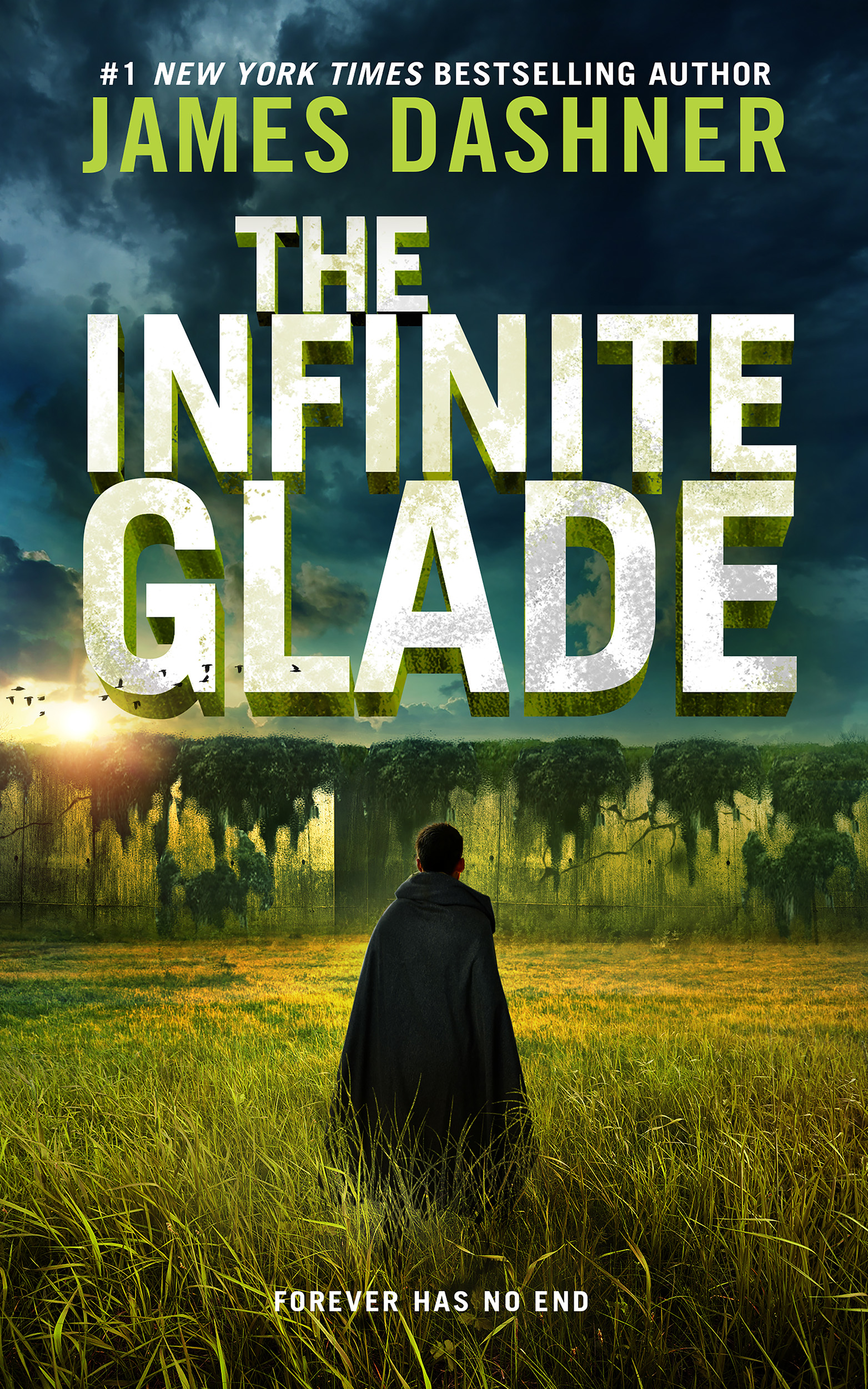
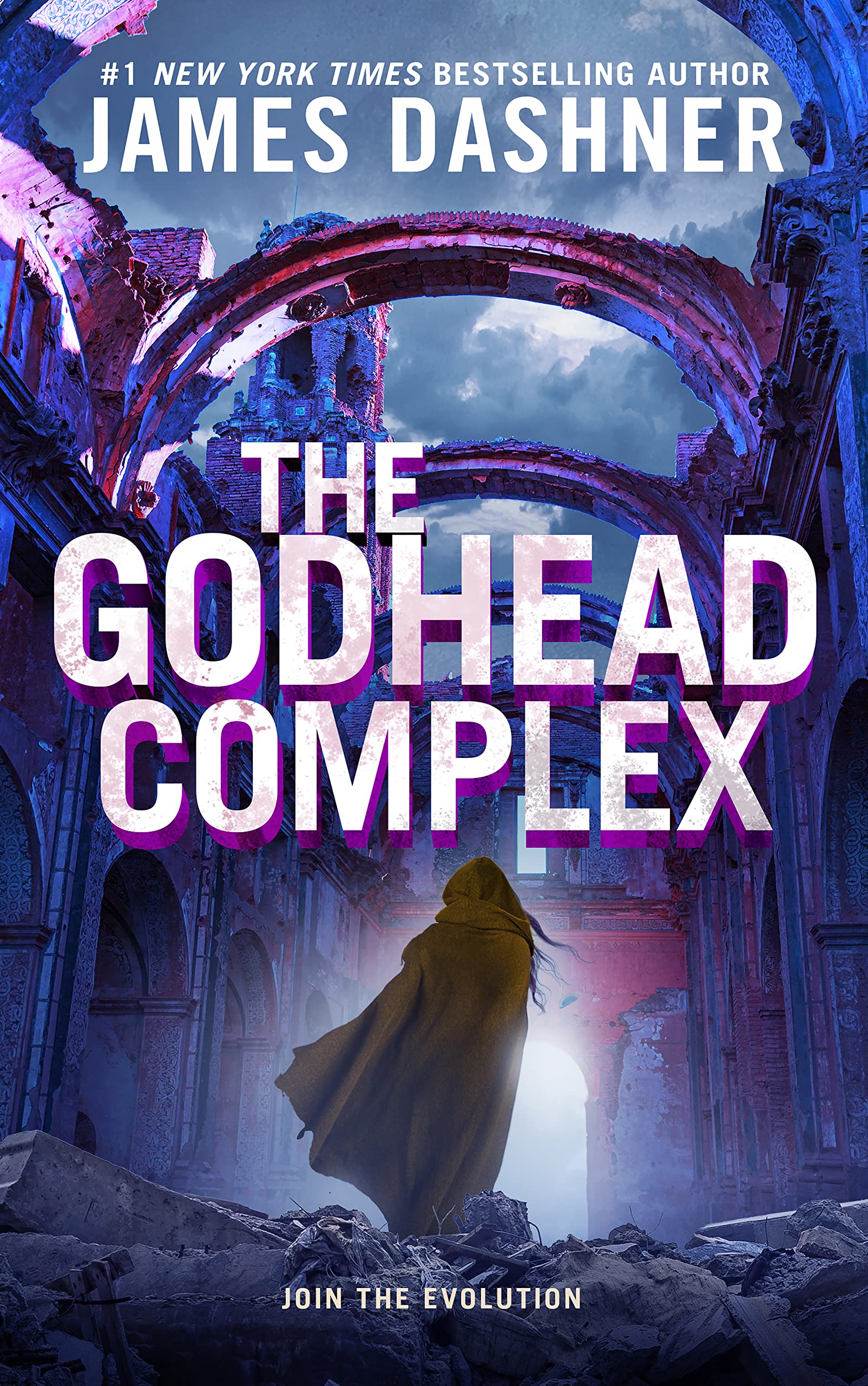
Book Review: The Godhead Complex

The Godhead Complex
The Maze Cutter #2
by James Dashner

My rating: 2 / 5
Genre: YA dystopian

The Flare, the Cure, Cranks, the Maze, the Remnant Nation, the Godhead, the Evolution, pilgrims, villas, Orphans…I don’t know what is going on in this series anymore, it’s just so convoluted and bloated with characters and plot threads. The pacing is slow enough that even in this 2nd book in the trilogy, I feel like nothing really happens until near the end. That’s not to say that actually nothing happens, but it all felt so underwhelming. By the end of the previous book, I knew so little actual information, and then in this book, almost everything I thought I knew turns out to be either wrong or at least suspect. I still am not entirely sure who the good guys and bad guys are (maybe they’re all bad? or neutral? or just trying to survive?). And I really don’t care about any of the characters enough to want to hang in there to figure out what I don’t understand when everything is so messy.

I really wish that someone had explained to Dashner or any of his proofreaders that every single use of “god(dess)” in this book should have been a lowercase G. It’s a minor detail, but it grated on me that Alexandra, the our main connection to the Godhead (at least this is something of a title, so I guess the capital makes sense) in these books, is always referred to as a God with a capital G, amongst other uses of the word. I’m going to finish this series, but only because I jumped the gun and requested an ARC of the 3rd book in the trilogy. Considering my track record with this series, I can’t imagine the final book is suddenly going to make everything better. At this point, I wouldn’t really recommend this continuation series to anyone, whether you’ve read the original trilogy or not. (On the other hand, if you enjoyed the entirety of the first trilogy, that probably means that what bothered me about it doesn’t bother you, so there’s a decent possibility that you’ll enjoy these newer books more than me.)

Find out more about The Godhead Complex

See what I’m reading next.

If you’ve read this book, or read it in the future, feel free to let me know what you think!
Book Review: Sunrise on the Reaping

Sunrise on the Reaping
The Hunger Games prequel #2
by Suzanne Collins
Read by Jefferson White

My rating: 5 / 5
Genre: YA dystopian

Spoiler notice: The following review will contain some spoilers for The Hunger Games trilogy and The Ballad of Songbirds and Snakes.

I’m just going to say up front that I did not expect to care about this book. Similar to the other prequel, I didn’t think it was necessary. Why do we need to see Haymitch’s games? We already know he wins and we even know how. Why do we need to be shown yet another reaping, another Hunger Games? And hearing my daughter call it “Sunrise on the Weeping” over and over didn’t endear it any more to me—she hadn’t read it yet but had seen that online. I’m not a particularly emotional person, and I dislike it when I feel an author is trying to manipulate my emotions, which is what I anticipated here. I am here to say that I was mostly wrong in all of my assumptions. I even teared up a few times while listening to the audiobook, though still not as much as my daughter did when she read it.

I expected a rehashing of the same basic elements from the first book in the trilogy, but the reaping was different; the training time was different; the Hunger Games were very different. It really is its own story overall, while being connected to the main series and the previous trilogy in ways that I absolutely loved. I’ve seen many TV shows where there’s an episode that shows some time in the past, and the connection between characters that know each other in the main timeline of the show is shown earlier than it should have been and feels awkward and forced. In this book, there are several characters from the main trilogy that show up, and none of it feels awkward and forced (except one, but I can live with that). I really liked seeing everyone that appeared, and their roles brought events from the main series to light more. After my daughter read it, we discussed so many nuances that we both had found in it, and I just really appreciate the continuity and detail that Collins included.

I have to admit that the last part of the book dragged a little for me, but I think that was one of those areas where there was emotion that didn’t affect me like it does others. The epilogue, though, was brilliant! Overall, any issues I had with the book were minor enough that I can’t even bring the rating down half a start. I really liked it and look forward to reading the series again some time to be reminded of some of the related details. I did listen to the audiobook, and Jefferson White was an overall good narrator (though maybe if I’d read it instead of listening to the audiobook, I could have glossed over some of what dragged so much at the end). If you’ve read the main series and aren’t sure about reading this prequel, I’d definitely recommend it, though I highly recommend reading The Ballad of Songbirds and Snakes first if you haven’t yet.

Find out more about Sunrise on the Reaping

See what I’m reading next.

If you’ve read this book, or read it in the future, feel free to let me know what you think!

Book Review: The Maze Cutter

The Maze Cutter
Book #1
by James Dashner

My rating: 2 / 5
Genre: YA dystopian

Spoiler notice: The following review will contain spoilers for the series that precedes it: The Maze Runner series.

Seven decades after the events at the end of The Death Cure, the final book in the previous series, the lives of the descendants of those who were sent to an island to live in peace and safety are disrupted. A ship appears bearing a woman who insists that some of them need to come back to the mainland with her. Meanwhile, the 3 parts of a mysterious authority group called the Godhead are at odds with each other.

I don’t think I’ve ever finished a book and felt like I was given so little info as I did at the end of this book. Things happened, but ultimately, nothing happened. It was a 250-page set-up for whatever is going to come later, but all that happened here is that we’re given little tiny bits of info that don’t really amount to a whole picture of anything. People are taken by one faction, then another, then another, and in the end, I have no idea who is with who and who is good or bad.

I don’t actually remember a lot about the end of the main series, but I remember that I felt like James Dashner had gone off the rails. The first book was good, but things just went all sorts of weird directions after that. This is basically a continuation of that. I decided to give this continuation series a try because of how much I liked The Maze Runner (the first book, not the entire series) and hoped maybe we could get back to those somewhat simpler roots. That is definitely not what we have here. One good thing, though, is that this first book makes it pretty clear that Dashner has plotted the entire continuation trilogy from the get-go, which is not at all what I feel like happened with the first trilogy. It seemed like he wrote the first one, was pleased it went well, and then just pantsed the rest of the trilogy. This feels like the opposite so far, but the first book doesn’t seem to have its own story goal that gets resolved, at least nothing I can pick out, which explains why I felt like nothing really happened.

I’m going to continue this series, but only because I jumped the gun and requested an ARC of the 3rd book in the trilogy. Since it’s one long story, I can’t exactly just skip the middle book. I do hope it gets better, but at this point, I wouldn’t really recommend the book to anyone, whether you’ve read the original trilogy or not. (On the other hand, if you enjoyed the first trilogy, that probably means that what bothered me about it doesn’t bother you, so there’s a decent possibility that you’ll enjoy this book more than me.)

Find out more about The Maze Cutter

See what I’m reading next.

If you’ve read this book, or read it in the future, feel free to let me know what you think!

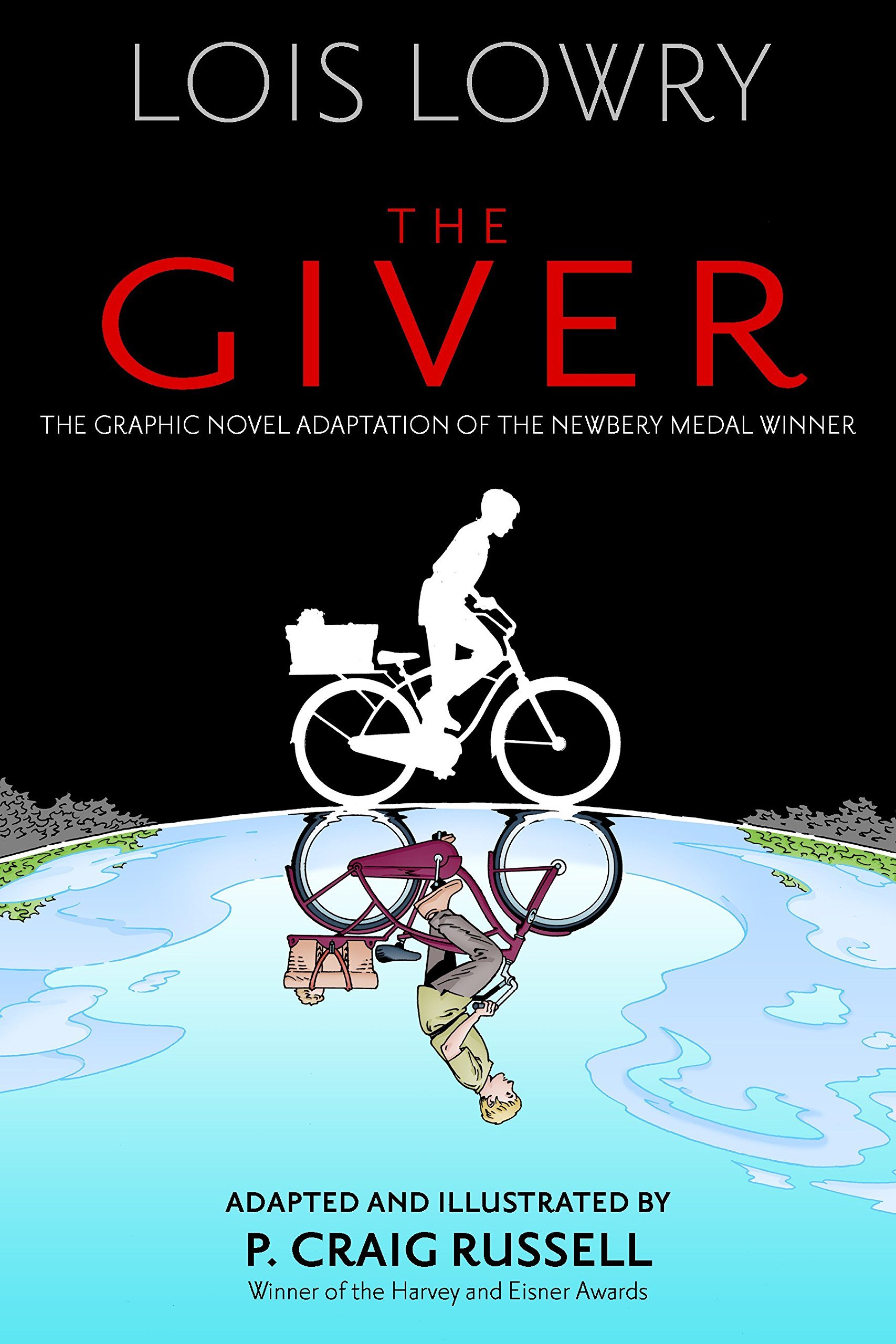
Book Review: The Giver, Graphic Novel

The Giver, Graphic Novel
The Giver series
by Lois Lowry
adapted & illustrated by P. Craig Russell

My rating: 5 / 5
Genre: Children’s dystopian, graphic novel

I read and reviewed the original book (see review here), so this review is less about the story and content than it is about the graphic novel format. My first impression when glancing through the book was that the use of pseudo black and white (it’s sort of more like blue black and white) for most of the novel was perfect for the story. The flashes of color here and there heighten the difference between Jonas’s view of the world and everyone else’s (besides the Giver). The visuals of the memories Jonas is given bring the story to life and highlight the blandness and sameness of the rest of the community. Certain graphics that I won’t specify to avoid spoilers are much more emotional than simply reading about them. Though in this format, the ending strikes me as even more ambiguous as it did the first time around, or maybe it’s just knowing the rest of the series now that makes me view the ending differently. All in all, I’d say the idea of converting The Giver to a graphic novel was a success, and I can see this being a good way to introduce the thought-provoking story to more reluctant readers.

Find out more about The Giver, Graphic Novel

See what I’m reading next.

If you’ve read this book, or read it in the future, feel free to let me know what you think!
Book Review: Divergent

Divergent
Book #1
by Veronica Roth

My rating: 4 / 5
Genre: YA dystopian

Set in a fairly nebulous, dystopian Chicago, the people have split into 5 factions, each prizing a different character trait as most important—selflessness, bravery, intelligence, peacefulness, and honesty. Upon turning 16, each person must choose between staying in the faction in which they were raised or choosing a different one, leaving their family behind. Beatrice Prior has a difficult decision before her, which is made all the more complicated when she discovers that she is Divergent, which means she is suited to more than one faction. But she’s told that this information is dangerous, so she keeps it to herself as long as she can. Unfortunately, it makes her stand out more than she’d like.

My first reaction to this book is that the world Roth has built doesn’t really seem realistic to me: in a a war-torn world of the past, the people picked a character trait, like aggression or duplicity, that they thought was the biggest reason for all the bad and decided to focus on being the opposite of that trait, forming five separate factions. It seems like a pretty silly way to try to avoid war, and it made me scratch my head to start the world building on this foundation. However, that is the foundation, so I figured that I just needed to accept that to be able to move on and enjoy the story for what it is. Past that sketchy start, it was a lot easier to believe that what started with good intentions could devolve to something much less good, because, well…people aren’t good. Don’t let anyone tell you different—on our own (meaning without God), we aren’t truly good. So discovering as the plot unfolds that at least one of the factions has been corrupted to be less of a pursuit of that faction’s trait and more of a pursuit of power is not surprising.

I had to go through a similar self-explanation and acceptance of the Divergent factor, which I took to be a kind of commentary on conformity and control and an “us vs. them” mindset. There were some unnecessary plot elements and a bit more focus on the physical in the relationship that builds throughout, but outside of that, I enjoyed the twists and turns along the way. The melding of different childhood factions during initiation is intriguing and some of characters are complex and well-crafted. The climax was not at all what I was expecting, and in some ways, I wish it had gone a different direction. But in the end, I’m glad I read the book and look forward to seeing where the story goes. (I also would really like to know what on earth is going on in the world outside of Chicago? Will that come up later in the series? I hope so!)

Find out more about Divergent

See what I’m reading next.

If you’ve read this book, or read it in the future, feel free to let me know what you think!

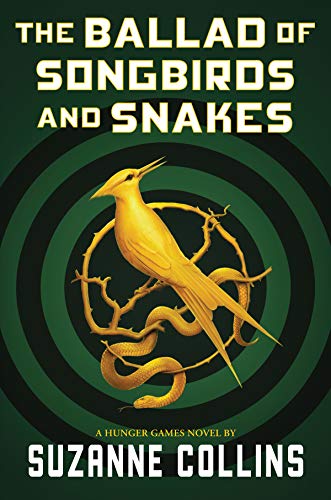
Book Review: The Ballad of Songbirds and Snakes

The Ballad of Songbirds and Snakes
The Hunger Games prequel
by Suzanne Collins

My rating: 4 / 5
Genre: YA dystopian

Spoiler notice: The following review will contain some spoilers for The Hunger Games trilogy.

This is the kind of book that is difficult to rate and review, because it is a book that is meant to be at least somewhat disturbing, as we follow a major villain’s descent into the dark. I’m not normally one who’s interested in a villain’s origin story, and it was no different with President Snow, especially after reading the part in The Mockingjay about his ever-present floral fragrance covering up his rotting mouth. It made my disgust more literal. But I decided to read this book to finish out the series; it just felt like something would be missing if I didn’t. Keep in mind, though, as you read the rest of this review, that I only read The Hunger Games trilogy for the first time pretty recently. That almost definitely makes my view of this prequel different in some ways from those who’ve known and loved the series for a long time.

Through parts 1 and 2, I was invested in the story. I think Collins did a good job giving us a somewhat sympathetic protagonist who feels trapped by circumstances. And he’s really as manipulated in some ways as Katniss is in her story. I’m not sure I ever fully understood what gives Dr. Gaul so much power, but she’s Snow’s own version of himself to Katniss in some ways. The main difference, though, is that Snow actually does begin to see things from Gaul’s point of view, which is part of the indication that he’s beginning to lose his grip on morality. This book’s Hunger Games and the lead-up to them, while being totally primitive compared to those in the main series, provide a compelling backdrop to Snow’s beginning steps toward depravity—the deception, the cheating, his first kill—things that he can rationalize at first.

Part 3 took a large turn that involved a fairly steep drop-off in action and interest for me, but the psychology of the villain’s slide was still there. And while it looks like things could actually go well for Snow, of course we know it can’t end happily, because we know who he becomes later, and it’s not this family man he envisions himself becoming. In truth, I don’t think he ever had the capacity for a normal, happy life. I’ve read several reviews that say his downturn happened suddenly at the end, but I would maintain that those people weren’t paying close enough attention during the rest of it. Snow makes many decisions that he justifies as being out of love—for his family, for his tribute—but really, the most important decisions he makes are only for himself, for family pride, to maintain his standing in society, however you want to spin it, it’s all selfishness. I do think he cares about his cousin and loved his mom. But even his cousin he puts one over on in the end for his own selfish gain. Yes, there’s a turning point at the end of the book where he makes a more deliberate choice, but I can see the rest of the book pointing right to it.

So that’s why my rating is 4 stars. And when I re-read this series in the future, which I definitely will, maybe even soon, I will probably not always finish with this book, but I will read it again at some point, I’m sure. I don’t know that I ever felt the need to know what made President Snow the monster he is in the original trilogy, but I still really appreciated this book. It’s quite polarizing, though, so if you’re wondering whether you should read it or not…that’s up to you.

Find out more about The Ballad of Songbirds and Snakes

See what I’m reading next.

If you’ve read this book, or read it in the future, feel free to let me know what you think!
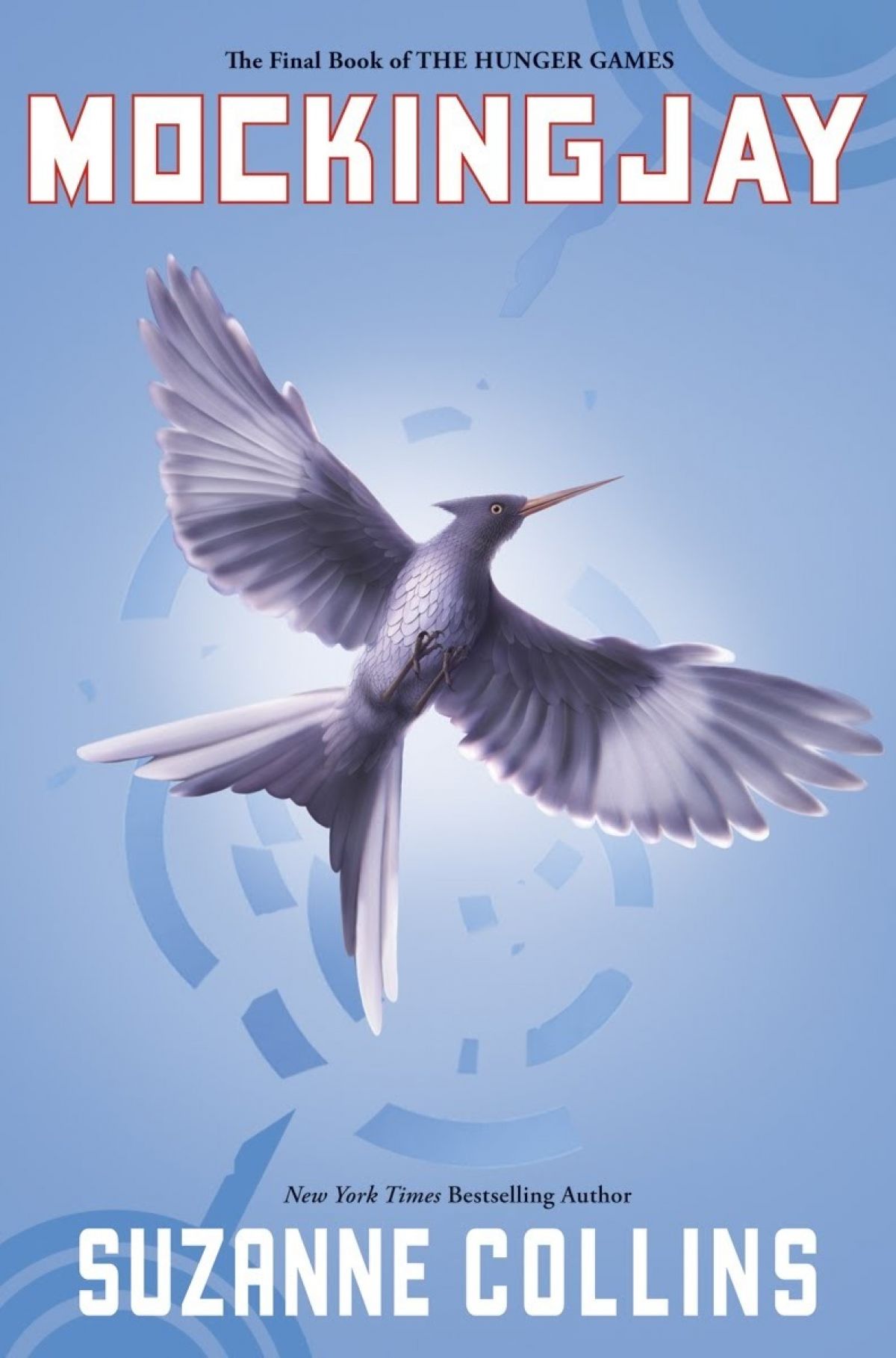
Book Review: Mockingjay

Mockingjay
The Hunger Games #3
by Suzanne Collins

My rating: 4 / 5
Genre: YA dystopian

If I were rating this book by just the story, I’d give it 5 stars like I did the previous books in the series. But the gratuitous violence and death that I feared when I started reading the first book came in full force in this book. Much more death and much grislier deaths than necessary were spread throughout the latter portions of this book, but especially in part 3. And the pods, though of course they had already been in the first two books, but to a much smaller degree, reminded me a lot of the bizarre methods of attack in The Maze Runner series—over the top and completely unnecessary.

The story itself, including the ending, though, I liked. I can understand why some people didn’t, but I totally got it. I always knew this wasn’t going to end in rainbows and sunshine for Katniss after all the horrors she’d been through and the terrible things she’d been forced to do. Her PTSD would have to be more extreme than anything most of us can imagine, which is exactly what I saw in her in those last chapters. Add to that the fact that she still wasn’t really free, and it’s really no wonder she had no real fight left in her. I was still hooked, reading it as often as I could come back to it, which has not been as common for me in recent months, so that must say something.

I still think it’s funny that I was adamant I’d never read this series, yet I ended up loving it. I haven’t watched the movies yet…I suppose I will try to get to that soon. I am already looking forward to reading the series again though.

Find out more about Mockingjay

See what I’m reading next.

If you’ve read this book, or read it in the future, feel free to let me know what you think!
Book Review: Catching Fire

Catching Fire
The Hunger Games #2
by Suzanne Collins

My rating: 5 / 5
Genre: YA dystopian

I did not know where this was going to go at all. At times, it seemed like not much was happening, which is a huge difference from the action in the first book. I don’t need all that action, though, and especially the violence, and the tension surrounding the aftermath of Katniss’s actions in the games was enough to keep me going. In case we forgot how much control the Capitol has, we’re reminded in the way Katniss is controlled through threats to her loved ones. 

This series so far has a different kind of a take on a love triangle. Katniss doesn’t even really have much in the way of control over her own love life, and it brings home the reasons she had for not ever wanting to have a family. Even that decision will be out of her hands, if President Snow has anything to say about it. He’s not happy, but I did not expect the way he would take it out on her. When the story takes its sudden turn, I worried it would be too reminiscent of the first book, but I found it pretty darn fresh.

For someone who never, ever planned to read this series, it’s amazing how much I’ve enjoyed it. This book took turns I never expected and left me really wanting to know what’s going to happen! Now it’s all the more important to me to avoid spoilers for a book & movie series that’s been around for long enough for people to not care about spoilers. 

Find out more about Catching Fire

See what I’m reading next.

If you’ve read this book, or read it in the future, feel free to let me know what you think!

Book Review: The Prophet of Yonwood

The Diamond of Darkhold
Book of Ember #3
by Jeanne DuPrau

My rating: 1 / 5
Genre: Children’s dystopian

Some decades before the city of Ember is built, before the Crisis that moved the first inhabitants of Ember underground, a woman in the town of Yonwood has a fiery vision. But her comatose-like mind might hold the secret to keeping Yonwood safe from that catastrophic future.

I don’t really see a lot of point to this book. It’s a prequel to the first two books in the city, but it’s barely connected. And even the elements within this book were fairly disconnected from each other. There’s the main character, Nickie, and her aunt, who are visitors to Yonwood, and their disagreement about selling the house they’re there to clean out and possibly sell. The actual Prophet storyline, which barely comes across as the main storyline. Grover and his plight to make it to camp in Arizona. The kooky man who is interested in the heavens and is the only who who successfully defies the Prophet’s lackeys. There is just too much going on, and even by the halfway point, I had no idea what the purpose of the book really was.

As the Prophet’s main interpreter begins to get more and more ridiculous with her rules, I quickly began to realize that this is just another attempt on the author’s part to teach readers something she feels is important. But unlike a more universally accepted truth in the 2nd book (“War is bad”), this one is a lot more controversial. The book turns into basically an indictment on religion, seeming to imply that religions are largely fabricated by their followers. It actually reminds me most of the Pharisees who, by Jesus’ time, had imposed so many of their own rules, they had lost the core message. On top of all of that, the author attempts a tug at the heartstrings that is likely far more successful for dog lovers. I’m more of a dog tolerater (I know that’s not a word). I can acknowledge that what happens is ridiculous (stupid, really), but definitely didn’t get as emotionally invested as others might. In the end, I really wish DuPrau had kept this series more in line with the first book. The second wasn’t bad, but the first and fourth were my favorite, and I really just wish for more like them. If you are considering reading this series, I recommend it, but feel free to skip this third book.

Find out more about The Diamond of Darkhold

See what I’m reading next.

If you’ve read this book, or read it in the future, feel free to let me know what you think!

Book Review: The Hunger Games

The Hunger Games
Book #1
by Suzanne Collins

My rating: 5 / 5
Genre: YA dystopian

I didn’t want to read this book. I never planned to and was content with knowing nothing more about it than the basic premise. (I’ve never seen any of the movies either.) The main reason I stayed away is due to an aversion to heavy violence and death, and of course a book that involves a couple dozen teenagers being forced to kill each other is going to have plenty of that. I finally decided to read it after my son (who has seen the movies, but not read the books) tried to tell me that I might not be giving it a fair assessment, and of course, he was absolutely correct. And I did struggle still early on in the book, considering walking away because I was dreading what was to come. But I stuck it out, and boy, did I not expect to like it this much.

I appreciate the simple writing style—no pretension, no unnecessary words—and that made it easy for me to keep going when I didn’t want to face what was to come (yes, I am as much of a wimp as it sounds). And as the story unfolded, I realized I was empathizing with the tributes so much that my own pulse sped up in certain moments, during action or even just anticipating what was to come. And yet, in the end, I can say that the “violence for the sake of violence” that I anticipated from the book wasn’t there. Instead, we only see what Katniss sees, which is only what’s necessary to advance the plot or show her character.

The characterization and plot are a huge high point for me. Katniss’s attitude and motivation are consistent, and I really felt for Peeta throughout the book. Even the characters that it would be easy to hate end up being well-rounded and sympathetic. I wasn’t thrilled with the love triangle being set up, but at least it was a fairly minor aspect, as was the “romance” in general. While I can’t pretend to appreciate the world Collins has set up in this book, I do like that the book drew me in and made me want badly to see this system dismantled. I have unintentionally managed to avoid much in the way of spoilers for the rest of this series (or maybe I heard plenty of spoilers but just didn’t know what they meant at the time and don’t remember them now), so I am going forward with no idea what to expect, but with hopes for what I’d like to see firmly intact. All I can really say for recommendation, since I’m sure most people who are going to read this have already done so, is that if you’re like me and don’t want to read it because of reasons I mentioned, I suggest you reconsider.

Find out more about The Hunger Games

See what I’m reading next.

If you’ve read this book, or read it in the future, feel free to let me know what you think!