God Loves Me and I Love Myself!
by Mark DeJesus
My rating: 1.5 / 5
Genre: Christian non-fiction
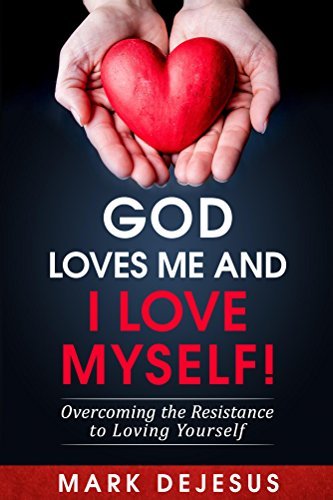
I’m not going to pretend that I went into this book with an open mind. The subject matter and the little bit I heard from the author in a video threw up so many red flags, but I read the book because my sister told me she was reading it to help her through some difficulties in her life. The author posits that a lack of self-love is at the root of many (even most) people’s mental health struggles and relationship issues. This is a super-boiled-down explanation, but I don’t want to take a long time to explain, nor do I want to spend much time on this review, lest it turn into a rant. The truth is, it is very difficult for me to put words to my concerns about this point of view and this book, but I felt uneasy throughout most of it. The author does quickly lay to rest the immediate thought that telling people that they need to love themselves more will lead them to become self-centered, but on the other hand, when he gets to the part about putting the ideas from this book into action, it’s very self-centered.
One of the biggest things I questioned by the end of this book is where God really fits into this. Sure, the author talks about God and about the Bible plenty, even quoting some verses. But it’s almost exclusively about God loving us (it’s right there in the title), and almost zero mention of us loving God. In fact, while I was reading, I highlighted this quote: “God will love you, even if you decide to never serve him!” and asked, “Though if that’s the case, does the person really love God?” Yes, God doesn’t require us to serve him in order for us to be saved—that’s the entire basis of salvation by grace vs. works. But if we truly love God, we will want to serve Him, and at no point is that really discussed in this book. It’s also contradictory, in that one of the ways the author says to start loving yourself more is by helping others, yet multiple times the book says that helping others when you don’t love yourself enough can lead to burnout.
The author also quotes Ephesians 5:28 (“In this same way, husbands ought to love their wives as their own bodies. He who loves his wife loves himself.”) but conveniently stops without ever addressing verse 29 (“After all, no one ever hated their own body, but they feed and care for their body, just as Christ does the church…”). The author maintains that it’s difficult to love others as we love ourselves when we don’t or don’t know how to love ourselves, yet Paul states that we generally love ourselves enough to keep ourselves alive. DeJesus actually sees the “as you love yourself” part as a command, but it seems more like a given to me. I understand that some people do harm themselves and that there are plenty of people with psychological issues that involve self-hate, but I think this whole thing is more nuanced than the author allows for in this book. In fact, so much of this book was repetitive and thus felt shallow.
I don’t know if the intended audience for this book is everyone or specifically Christians. It seemed like it was targeted at Christians most of the time, but when it tells us that we need to “[position] ourselves for being filled up with God’s love,” I question why I wouldn’t already be filled with God’s love, if I’ve accepted Christ as my savior. Maybe what the author means is that we need to let ourselves “feel” God’s love more, but that opens up a whole new argument for me, since “feeling” God’s love is not always possible or easy for me, but that doesn’t mean I don’t believe 100% that God loves me. I’m also not really sure where sin enters into this, since more than once, DeJesus posits that self-love means accepting yourself with no strings attached. While I understand that God doesn’t want us to constantly live in shame over past sins, I feel like this removes the conviction of current sins. Even “lawlessness” as referenced in Matthew 24:12, NKJV (“And because lawlessness will abound, the love of many will grow cold.”) is attributed to broken hearts that cause us to fall into “darkness and destructive behaviors.” Maybe I’m nitpicking, but it feels like we’re glossing over sin here.
Some of DeJesus’s suggestions for how to begin to love oneself more made alarm bells ring in my head, since it feels too close to being New Age practices for me. At the very least, the suggested meditating, breathing in the spirit while breathing out toxicity, even words of affirmation, almost completely leave God out of the equation, instead focusing on myself.
Sadly, I completely understand why this book speaks to some people in their need, but I would have a difficult time believing that this way of thinking can affect lasting change. There is a chapter or so that I thought made some good points, but for the most part, it just felt empty to me. Granted, I’m definitely not its target audience, because though I don’t think I’d ever have described myself as being full of self-love, when I struggle with feeling worthless or unloved, I don’t hesitate to seek God through prayer and Bible reading. This book reminded me a lot of what I don’t care for about modern worship music. Generally speaking, there are a lot of songs about how broken we are, how God loves us right where we are, etc., and while none of that is false, I don’t think we’re meant to camp in that mindset. It’s important to spend time loving God, praising God, not just for what He has done for us, but for who He is—the power, wonder, majesty of His being. Maybe focusing more on how awesome He is, is really what we need to put things into perspective and boost our own moods. Like Job said in the depths of his despair, wishing he’d never been born, after God put things into perspective for him: “I am unworthy—how can I reply to you? I put my hand over my mouth. I spoke once, but I have no answer—twice, but I will say no more.” Job’s circumstances hadn’t gotten better (yet), but he knew that God was so much bigger than he could ever understand, and maybe that’s something we have forgotten in our modern world.
I guess I did end up spending a while on this review. There was just too much I wanted to say, and this only includes a portion of the highlights and notes I made while reading. It probably goes without saying, but I don’t recommend this book to anyone; I simply don’t think there’s enough substance, or the right substance, to be worthwhile.
Find out more about God Loves Me and I Love Myself!
If you’ve read this book, or read it in the future, feel free to let me know what you think!
 A Journey of Words