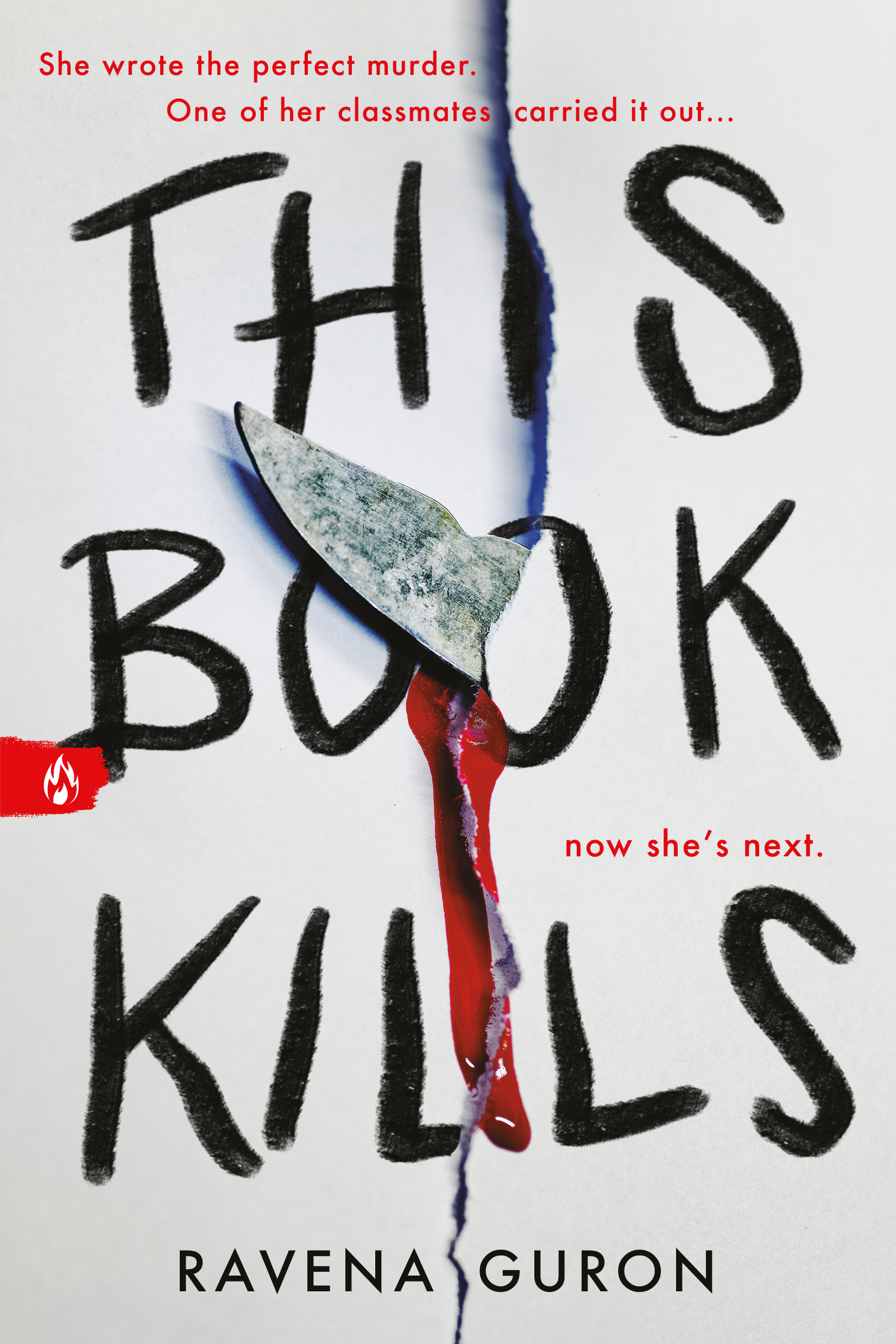
Book Review: The Godhead Complex

The Godhead Complex
The Maze Cutter #2
by James Dashner

My rating: 2 / 5
Genre: YA dystopian

The Flare, the Cure, Cranks, the Maze, the Remnant Nation, the Godhead, the Evolution, pilgrims, villas, Orphans…I don’t know what is going on in this series anymore, it’s just so convoluted and bloated with characters and plot threads. The pacing is slow enough that even in this 2nd book in the trilogy, I feel like nothing really happens until near the end. That’s not to say that actually nothing happens, but it all felt so underwhelming. By the end of the previous book, I knew so little actual information, and then in this book, almost everything I thought I knew turns out to be either wrong or at least suspect. I still am not entirely sure who the good guys and bad guys are (maybe they’re all bad? or neutral? or just trying to survive?). And I really don’t care about any of the characters enough to want to hang in there to figure out what I don’t understand when everything is so messy.

I really wish that someone had explained to Dashner or any of his proofreaders that every single use of “god(dess)” in this book should have been a lowercase G. It’s a minor detail, but it grated on me that Alexandra, the our main connection to the Godhead (at least this is something of a title, so I guess the capital makes sense) in these books, is always referred to as a God with a capital G, amongst other uses of the word. I’m going to finish this series, but only because I jumped the gun and requested an ARC of the 3rd book in the trilogy. Considering my track record with this series, I can’t imagine the final book is suddenly going to make everything better. At this point, I wouldn’t really recommend this continuation series to anyone, whether you’ve read the original trilogy or not. (On the other hand, if you enjoyed the entirety of the first trilogy, that probably means that what bothered me about it doesn’t bother you, so there’s a decent possibility that you’ll enjoy these newer books more than me.)

Find out more about The Godhead Complex

See what I’m reading next.

If you’ve read this book, or read it in the future, feel free to let me know what you think!

Book Review: Finding Phoebe

Finding Phoebe
by Ellie Katz

My rating: 3 / 5
Genre: Coming of age YA drama

Growing up, Phoebe Carasso developed a stutter that made life difficult for her. She survived up to and through high school by relying on her twin brother, David, to talk for her, protect her, and be her best friend. After graduation, David goes to college out of state, while Phoebe is staying near home, thus forcing her to face the world on her own.

The heart of this story is overall well done, with Phoebe learning who she is without her brother and trying to navigate social situations that she used to avoid. Though “avoid” really means that she went to social events with her brother but sat in the corner. What I find the most interesting about this book is the exploration of an introvert that might not be a true introvert, but only became such due to psychological issues. Her stutter does not manifest around people she’s comfortable with, so being around strangers or mere acquaintances, which during her adolescence included everyone outside of her family, she either wouldn’t speak or would give only the shortest of responses when addressed. Thus, she’d be wiped out from every social encounter, which is the mark of an introvert. However, to my mind, at least, when Phoebe gets out into the bigger world, she actually seems quite happy to be around people. Maybe not to the point where she gains energy from it, as an extrovert would, but when she’s mostly with friends and in situations she’s grown comfortable with, she doesn’t seem as sapped of energy when she doesn’t spend as much time trying to avoid stutter. It made me question the source of my own introvertedness, if perhaps it at least wouldn’t be as strong as it is if I didn’t have the social anxiety issues that I have.

On the other side of things, though, this book suffers from being fairly bloated. There is a lot of focus on what is being eaten at meals, on outings Phoebe and various friend groups go on, and on minor details in the plans being made for those outings that are completely unnecessary to the story. By the halfway point, I started to do a lot of skimming when Phoebe and her friends were going to go ice skating or to a museum, and I think the book could have been cut down by at least 100 pages and not suffered any loss to the story and character development.

Phoebe herself comes across as nearly a Mary Sue. Yes, she has a couple of flaws, but outside of her stutter and a stubbornness that crops up close to the end of the book, she’s interested in everything, great at everything she tries, and, even though she spent all of her life until now in silence, somehow a great friend and host without really having to try too hard. She attracts everyone she meets, whether they knew her when she was still quietly sitting in her brother’s shadow or have only met her as she’s tried to break free. And there are times when she is talking to someone she only just met, says more than the 2-3 words that help her avoid her stutter—multiple full sentences that I thought must be a triumph for her, but turned out to not be anything? Maybe she was doing her other trick, very carefully enunciating the words, and the author felt it would be tedious to explain that every single time she did that, but since the alternative is that Phoebe just doesn’t stutter and somehow isn’t aware that she’s managed to avoid it, I think the reminder would have still been helpful.

Due to Phoebe’s tendency to be great at nearly everything she tries her hand at, this book has almost no conflict. Her brother provides most of it, but overall, it feels really shallow and…nice. I don’t know another word for it. Maybe because the book’s author is a psychotherapist, the characters are really good at analyzing themselves and each other (when they get past Phoebe’s stubbornness and take the time to discuss their issues). It just felt overall shallow and unrealistic to me. However, since my issues with the book are probably more based on my own personal preferences as a reader and a writer, if you’re interested in the book, please check out other reviews at the link below.

I received a free review copy from the publisher in exchange for my honest unedited feedback.

Find out more about Finding Phoebe

See what I’m reading next.

If you’ve read this book, or read it in the future, feel free to let me know what you think!
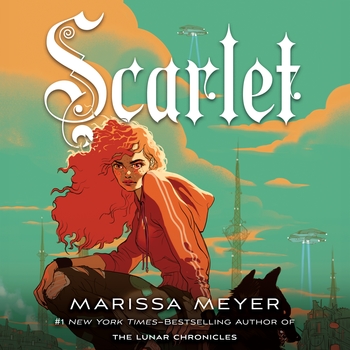
Book Review: Sunrise on the Reaping

Sunrise on the Reaping
The Hunger Games prequel #2
by Suzanne Collins
Read by Jefferson White

My rating: 5 / 5
Genre: YA dystopian

Spoiler notice: The following review will contain some spoilers for The Hunger Games trilogy and The Ballad of Songbirds and Snakes.

I’m just going to say up front that I did not expect to care about this book. Similar to the other prequel, I didn’t think it was necessary. Why do we need to see Haymitch’s games? We already know he wins and we even know how. Why do we need to be shown yet another reaping, another Hunger Games? And hearing my daughter call it “Sunrise on the Weeping” over and over didn’t endear it any more to me—she hadn’t read it yet but had seen that online. I’m not a particularly emotional person, and I dislike it when I feel an author is trying to manipulate my emotions, which is what I anticipated here. I am here to say that I was mostly wrong in all of my assumptions. I even teared up a few times while listening to the audiobook, though still not as much as my daughter did when she read it.

I expected a rehashing of the same basic elements from the first book in the trilogy, but the reaping was different; the training time was different; the Hunger Games were very different. It really is its own story overall, while being connected to the main series and the previous trilogy in ways that I absolutely loved. I’ve seen many TV shows where there’s an episode that shows some time in the past, and the connection between characters that know each other in the main timeline of the show is shown earlier than it should have been and feels awkward and forced. In this book, there are several characters from the main trilogy that show up, and none of it feels awkward and forced (except one, but I can live with that). I really liked seeing everyone that appeared, and their roles brought events from the main series to light more. After my daughter read it, we discussed so many nuances that we both had found in it, and I just really appreciate the continuity and detail that Collins included.

I have to admit that the last part of the book dragged a little for me, but I think that was one of those areas where there was emotion that didn’t affect me like it does others. The epilogue, though, was brilliant! Overall, any issues I had with the book were minor enough that I can’t even bring the rating down half a start. I really liked it and look forward to reading the series again some time to be reminded of some of the related details. I did listen to the audiobook, and Jefferson White was an overall good narrator (though maybe if I’d read it instead of listening to the audiobook, I could have glossed over some of what dragged so much at the end). If you’ve read the main series and aren’t sure about reading this prequel, I’d definitely recommend it, though I highly recommend reading The Ballad of Songbirds and Snakes first if you haven’t yet.

Find out more about Sunrise on the Reaping

See what I’m reading next.

If you’ve read this book, or read it in the future, feel free to let me know what you think!
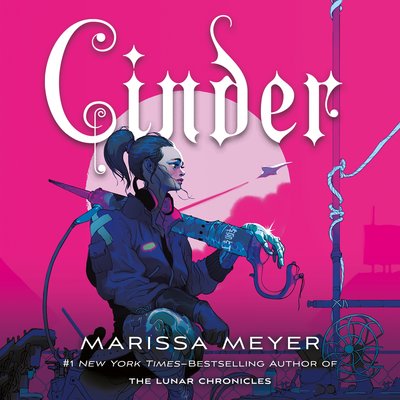
Book Review: The Final Gambit

The Final Gambit
The Inheritance Games #3
by Jennifer Lynn Barnes

My rating: 4 / 5
Genre: YA mystery, romance

Spoiler notice: The following review may contain some spoilers for the previous books in the series, starting with The Inheritance Games.

Avery Kylie Grambs is now only weeks away from inheriting the huge estate left to her by a stranger, but not only does she still have to live at Hawthorne House for the rest of that time in order to inherit, she has to survive. When a stranger shows up asking for help, Avery Kylie Grambs may not trust her, but she can’t stop the Hawthorne brothers from forming their own opinions—opinions which may or may not lead to destruction. A very risky gamble.

I wasn’t a huge fan of the first 2 books in the series, but I pressed on for my daughter, who considers this one of her favorite books series ever. That is mostly because I was not a fan of the love triangle/romance angle in the first 2 books, which was based way more on physical attraction than I prefer and involved Avery Kylie Grambs toying with the hearts of 2 brothers. In the first couple of books, I assumed Avery Kylie Grambs was going to end up with Grayson Davenport Hawthorne, if only because of romance tropes I’m used to, so I was surprised that she “chose” Jameson Winchester Hawthorne by the end of book 2. I thought that would mean that there would be a lot more angsty romance stuff in this book, but fortunately, it wasn’t as bad as I expected (not that there wasn’t some, though, including weird flashbacks to a scene that I figured I must have forgotten in book 2 but turned out to not actually be in book 2 and eventually, after teasing us about it several times, was shown in its entirety in book 3). But that means that I was able to enjoy this third book more for the puzzles and investigation, which were always the main draw of this series for me.

Though this ended up being my favorite book of the series, I still didn’t love it, and that has a lot to do with the fact that I started to strongly dislike Avery Kylie Grambs in this book. And Grayson Davenport Hawthorne. Though I liked Jameson Winchester Hawthorne more, so I guess the brothers part evens out some. (I still think they’re all ridiculous though). Xander, who has been my favorite Hawthorne brother throughout the series, retains his place and actually has an arc in this book that was one of my favorite things about the series.

Here at the end of the main series, I have to say that I am not much of a fan of Jennifer Lynn Barnes’s style. Both her prose style and her overall plotting style. In my review of the previous book, I mentioned that we seem to get an answer for why Tobias Hawthorne left his entire estate to Avery Kylie Grambs, who was a complete stranger to him, making it a very risky gamble, but in the 2nd book, we’re given a different reason, but with half the book to go, we find out that that actually isn’t the reason either, and by the end, I didn’t know if any answers given in that book were “final” or not. Yeah, no, they’re not. It’s one thing to let a story or mystery stretch over 3 books, but it’s a whole other thing to give “fake” answers along the way that are discounted in the next book. I just do not care for that. As for her writing style, if you were at all confused or annoyed by my usage of full names throughout this review, then you understand my feelings. This is not the only time I’ve seen/heard full (either first and last or even first-middle-last) names used in what is supposed to be a romantic setting, and I’d heavily dispute whether there is actually any romance in that. But here, it’s used all through the story, including by the villain, and I’m sure that’s not supposed to be romantic. Even besides that, Barnes has a tendency toward repetition, with phrases, scenes, etc. Like “a very risky gamble” being overstated to death by the end of this book.

I haven’t decided yet if I’m going to continue with the series that follows this one or the bridge book. Part of me feels like it could be better, because the love triangle will be behind us and Avery is in them less, but part of me feels like it could be a waste of time if my other issues with these books persist. I’m interested in one of Barnes’s earlier series, so I may read some of that to see if I can handle reading her books outside of this trilogy. As for this book and series though, I think most people probably won’t be bothered by the same things as me and would enjoy this more than I did. But if you struggle with high-angst love triangles or a love triangle involving siblings (or the normalcy of people who barely know each other sleeping together, which I didn’t even get into in my review), you might want to pass on the story.

Find out more about The Hawthorne Legacy

See what’s coming up.

If you’ve read this book, or read it in the future, feel free to let me know what you think!
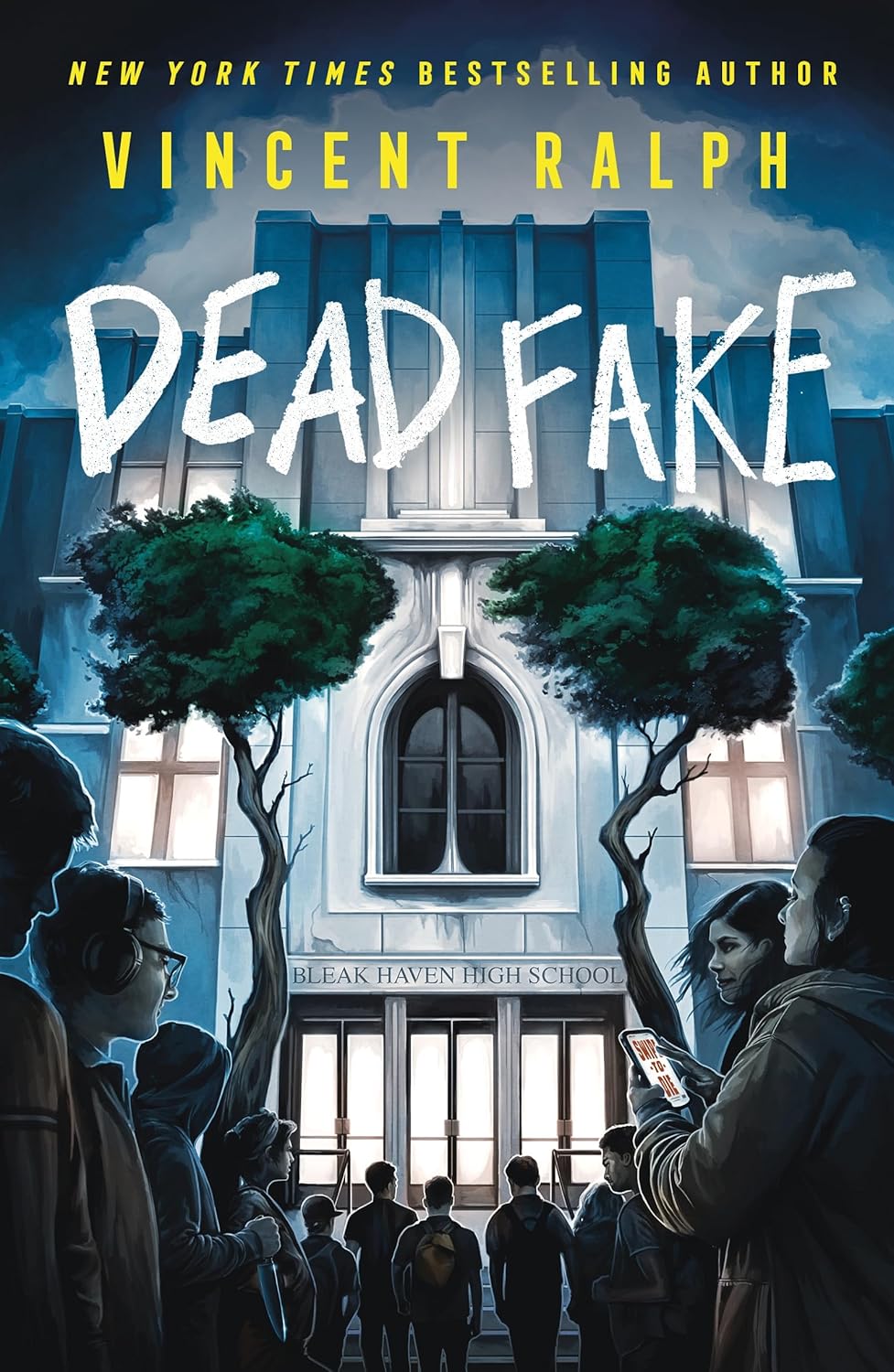
Book Review: The Maze Cutter

The Maze Cutter
Book #1
by James Dashner

My rating: 2 / 5
Genre: YA dystopian

Spoiler notice: The following review will contain spoilers for the series that precedes it: The Maze Runner series.

Seven decades after the events at the end of The Death Cure, the final book in the previous series, the lives of the descendants of those who were sent to an island to live in peace and safety are disrupted. A ship appears bearing a woman who insists that some of them need to come back to the mainland with her. Meanwhile, the 3 parts of a mysterious authority group called the Godhead are at odds with each other.

I don’t think I’ve ever finished a book and felt like I was given so little info as I did at the end of this book. Things happened, but ultimately, nothing happened. It was a 250-page set-up for whatever is going to come later, but all that happened here is that we’re given little tiny bits of info that don’t really amount to a whole picture of anything. People are taken by one faction, then another, then another, and in the end, I have no idea who is with who and who is good or bad.

I don’t actually remember a lot about the end of the main series, but I remember that I felt like James Dashner had gone off the rails. The first book was good, but things just went all sorts of weird directions after that. This is basically a continuation of that. I decided to give this continuation series a try because of how much I liked The Maze Runner (the first book, not the entire series) and hoped maybe we could get back to those somewhat simpler roots. That is definitely not what we have here. One good thing, though, is that this first book makes it pretty clear that Dashner has plotted the entire continuation trilogy from the get-go, which is not at all what I feel like happened with the first trilogy. It seemed like he wrote the first one, was pleased it went well, and then just pantsed the rest of the trilogy. This feels like the opposite so far, but the first book doesn’t seem to have its own story goal that gets resolved, at least nothing I can pick out, which explains why I felt like nothing really happened.

I’m going to continue this series, but only because I jumped the gun and requested an ARC of the 3rd book in the trilogy. Since it’s one long story, I can’t exactly just skip the middle book. I do hope it gets better, but at this point, I wouldn’t really recommend the book to anyone, whether you’ve read the original trilogy or not. (On the other hand, if you enjoyed the first trilogy, that probably means that what bothered me about it doesn’t bother you, so there’s a decent possibility that you’ll enjoy this book more than me.)

Find out more about The Maze Cutter

See what I’m reading next.

If you’ve read this book, or read it in the future, feel free to let me know what you think!
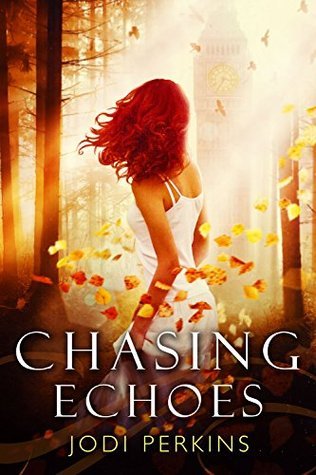
Book Review: Edgeland

Edgeland
by Jake Halpern & Peter Kujawinski

My rating: 2.5 / 5
Genre: YA fantasy

Friends Wren and Alec live on Edgeland, the nearest island to the Drain. People from all over bring their dead to Edgeland to be prepped for the afterlife, before sending them into the Drain, a gigantic hole in the middle of the ocean from which nothing ever returns. Alec works for one of the houses that preps the dead, while Wren is an orphan who has to survive by her wits and is trying to save enough to leave Edgeland. But when she is accused of killing a prominent man, she has to escalate her plans, which leads her and Alec to take a huge risk…one that leads them right into the Drain.

This book is not a sequel Nightfall, the other book by these authors that I read, but I was still excited to learn that there was a book set in the same world. These authors are really good at coming up with intriguing geological and environmental world features and creating a sense of urgency in the plot. Though it takes a little while for the main action given in the synopsis (Wren and Alec falling into the drain) to happen, the build-up isn’t boring. Then when our two main characters go down the Drain, I was really interested to see what kind of strange, new world the authors came up with. And it was, like this book’s predecessor, fairly atmospheric and creepy for a while. But then, also like the predecessor, it hit a point where nothing new enough or surprising enough came about, and I started to not really care much about what happened to any of these characters.

I also have to say that I didn’t really feel like the afterlife/religion side of things was the best way to go. And that’s not even because I’m a Christian, since the fictional religions here didn’t hit close enough to home to even remotely make me feel like the authors were poking fun at Christianity (I can’t speak to their intention, just to how I viewed it). However, it just never really made a whole lot of sense to me.

The two religions stem from the day/night cycle in this part of the world—day lasts for 72 hours and night for 72 hours. The Suns come out in the day and the Shadows come out at night, and they only mingle (with sometimes violent results) during dusk and twilight. But though both sides have different origins for their beliefs, they don’t seem to believe anything different enough for it to make sense that they’re so opposed to each other. They just hate each other because they’re taught to hate each other, which I guess is kind of a commentary on real life, but not really. In real life, the religions that are most opposed to each other generally have quite different beliefs and definitely do not believe in the same afterlife, whereas the Suns and Shadows all believe that when they die, their bodies will be sent down the Drain to purgatory, where they will live in the same place as the other faction, just on different islands.  So they can keep hating each other without being near each other…sounds like a fun afterlife. Of course, the intention is to eventually move on to “heaven,” of which the religions don’t seem to have much knowledge, but I’ll bet they’re still hoping to be kept separate. Then, without going into spoilers, what actually awaits down the drain isn’t quite what they’re expecting, yet in some ways, isn’t that far off. In the end, I was left with too many questions about who on earth and why on earth (well, not earth, but…you know what I mean) to feel that I really enjoyed the book that much. It wasn’t bad overall, and I think that some people who like darkish fantasy in the teenage age range would enjoy it. Though I’d recommend Nightfall (same authors, same world) over this one.

Find out more about Edgeland

See what I’m reading next.

If you’ve read this book, or read it in the future, feel free to let me know what you think!
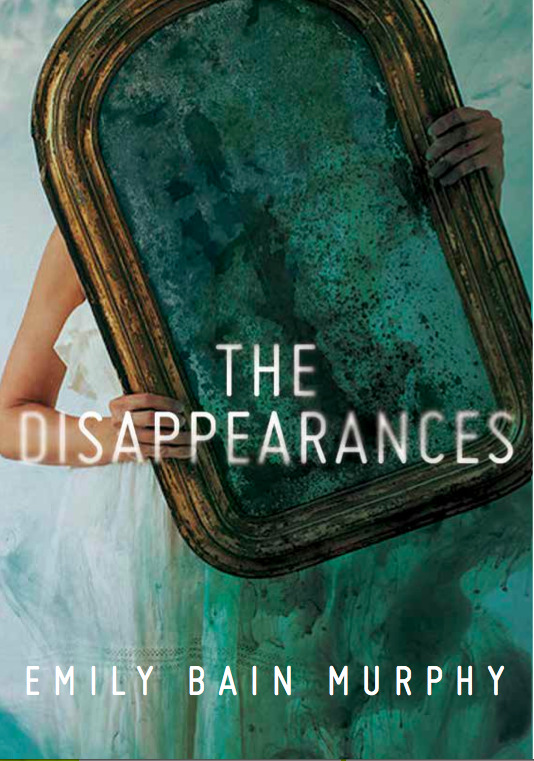
Book Review: The 5th Wave

The 5th Wave
Book #1
by Rick Yancey
Read by Phoebe Strole & Brandon Espinoza

My rating: 2.5 / 5
Genre: YA sci-fi

After the alien mothership appeared, there were 4 waves of disasters that left very few humans alive. Those that are left don’t know who to trust. And they don’t know when the 5th wave might come.

I was there for part 1; I was in it. Cassie is alone, trying to survive the harsh, cold winter, with no idea if any other humans are even left alive or not. In disjointed flashbacks, she tells us the story of the first 4 waves. Then comes part 2, where we switch to another POV: Zombie (just a nickname), who just managed to survive the wave that killed the largest number of humans. The story shifts gears here, as Zombie is living on a base with a lot of other people. He doesn’t seem to know what Cassie knows, though, which is not to trust anyone. I started to get a little confused about who was really good or bad at this point too, but I was still there, still engaged. Then part 3 takes another turn, a short section with a new, more mysterious POV, and the follow-up to that is part 4—back to Cassie. There begins my least-favorite aspect of the entire book: the romance.

To be fair, I often don’t like romance in YA books, because they’re too immature for my tastes. But here we have Evan, who is mentioned in the official synopsis but doesn’t appear until 1/3 of the way into the book. Evan is kind of creepy, lurking around outside of doors and disappearing for chunks of time with no explanation. But he’s good-looking, and Cassie has been alone for a while, so…romantic, I guess.

Then part 5 comes. I haven’t mentioned it yet, but Cassie has a 5-year-old brother who was taken away by soldiers and whom Cassie is determined to find again. And that’s where we go with part 5. Fortunately, it’s only 25 pages, but having the 5-year-old as a POV character felt like taking a huge left turn. And I’m not really sure it was necessary. From there, we go back and forth between Zombie’s and Cassie’s POVs, as Zombie is turned into a soldier and Cassie makes plans to look for her brother, with Evan acting as an anchor holding her back. Zombie’s parts are generally fine, and serve to propel the reader’s understanding of the world forward more than Cassie’s do from this point on, since she’s mostly just focused on 2 people—Evan and Sammy (her brother). I hated Cassie’s sections (and pretty much Cassie herself) from this point on, because she keeps finding more and more reasons not to trust Evan and yet talks herself out of letting it make a difference. Because she’s falling for him or something? I just didn’t care anymore. And then to make things worse, the romance turned into a potential triangle at the end of the book, in a way that I really didn’t like.

I listened to the audiobook, and the narrators were good, but even there, since there are technically 4 POVs by the end, splitting the extra 2 smaller ones between the narrators of the main characters is a little weird. Plenty of books have both male and female POV characters and use only one narrator, so maybe this one would have been better off with just one. That’s the least of my issues with the book though.

In case it’s not clear, I don’t really recommend this book to anyone. I was telling my 15-year-old daughter about it as I went along (without spoilers), and most of the things that bothered me as I went didn’t concern her. By the end, though, a few of the romance-related things did make her decide not to read it, but that means that other teens, at least, might find more to like here than I did. For me, there ended up being too much focus on romance and not enough on plot.

Find out more about The 5th Wave

See what I’m reading next.

If you’ve read this book, or read it in the future, feel free to let me know what you think!
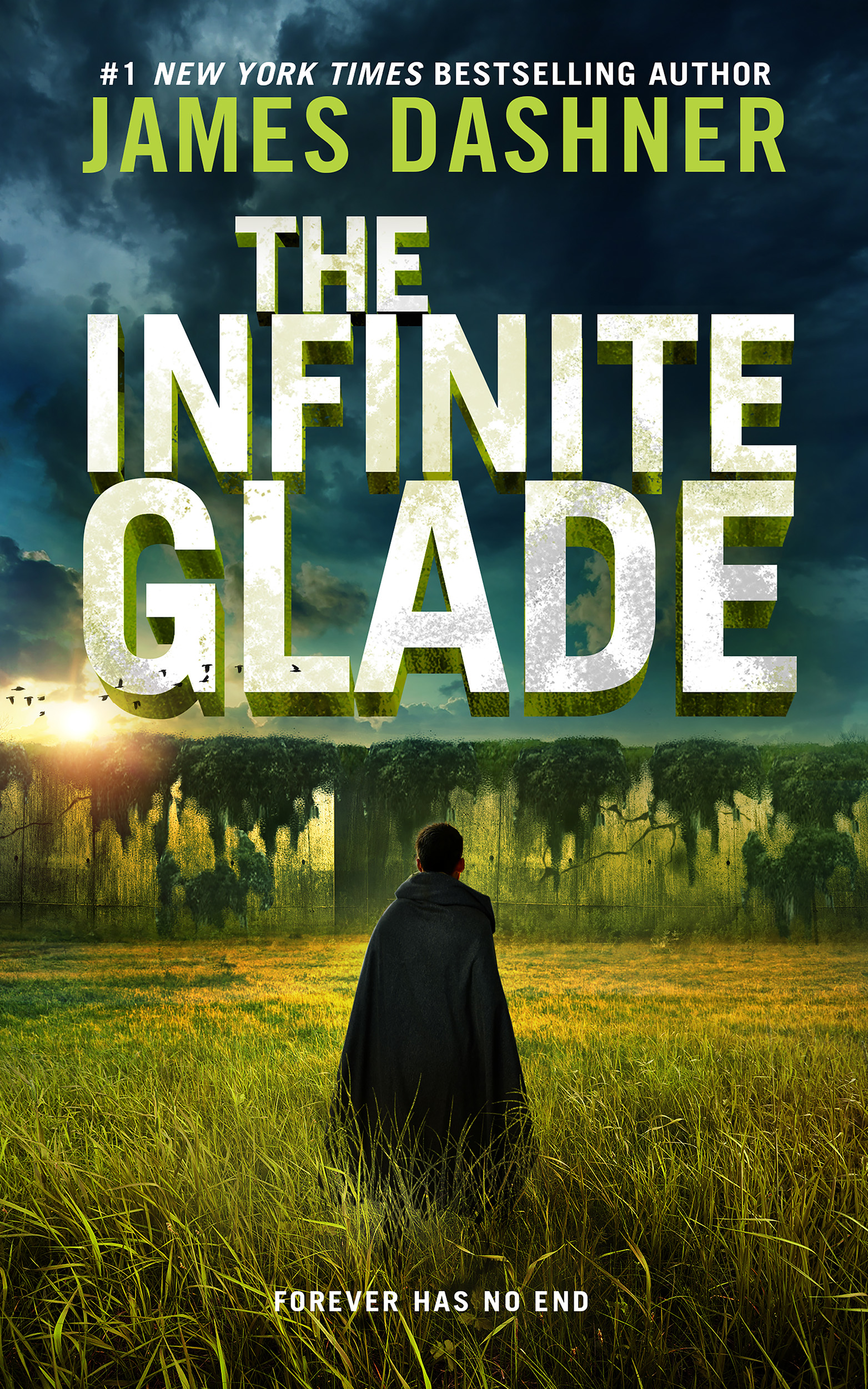
Book Review: True Life in Uncanny Valley

True Life in Uncanny Valley
by Deb Caletti

My rating: 1.5 / 5
Genre: YA contemporary

Eleanor has grown up with a single mom and always knowing that her dad is a wealthy, powerful tech/AI genius that doesn’t want anything to do with her, her sister, or their mom. But Eleanor can’t help but be obsessed with her dad and stalks him, both virtually and physically. When an opportunity comes up to work as nanny to her dad’s toddler son (her half-brother), Eleanor sort of falls into the job, but without revealing the truth about her identity and her connection to her charge or his father.

In case it’s not clear from my rating, I didn’t particularly enjoy this book. Humans are messy and creative and AI can never fully replicate them. That is the lesson that this entire book boils down to, which should be obvious to most of us. Of course, Caletti’s view of “messy” humans is downright terrible. Besides Eleanor’s deadbeat father, her mother is no peach either, fat-shaming Eleanor’s slightly chubby stomach, telling her how stupid she is, and making it clear that she’s always been an inconvenience. Eleanor’s older sister basically follows her mom’s lead, yet Eleanor often assures the reader that, “I know they really do love me.” I’m not buying it.

But on the plus side, Eleanor has two best friends who are basically perfect and perfect for her. The three of them have formed a book club through which they look down their noses at almost everyone else’s reading or book-reviewing habits. Seriously, I’m pretty sure that if I ever met these three, they’d absolutely hate me, and that’s considering that most of the specific things that Eleanor mentions the book club disliking aren’t even necessarily habits of mine. For example, they hate terms like “sickening thud” and seem to dislike half-star ratings (take that!) and constantly point out things that they think are cliché or tired tropes. Well, Soggy Bottom Book Club, to you I say that the inclusion of 3 best friends who don’t seem to ever fight and always understand each other perfectly is a cliché (and that!).

The main bright spot in this story is Eleanor’s connection to her little brother and even his mom, but even that comes with downsides. Like the fact that Eleanor is basically perfect as a nanny almost right away, despite some internal panic moments about really never having taken care of kids much in her life. And the fact that everyone is lying to everyone about everything pretty much through this entire book! (Except her best friends, because they’re perfect and always tell each other the truth.) There’s also a romance, which is nice at first, but then they start to make out all over Mexico and then there’s the super awkward sex scene—awkward meaning both that the characters are awkward and that I was incredibly awkward, because there are suddenly some very graphic descriptions. Though maybe it wasn’t as sudden as I thought at the time, considering the parade earlier in the book that I guess involves naked people and is just casually attended by people of all ages? Is this some Seattle thing I just don’t know about (and don’t want to know about)? I was also really thrown off by Eleanor saying (in the narration) that people of older generations, which in this case includes everyone from the toddler’s 30ish-year-old mom to Eleanor’s grandma’s age, were all about sex, but Eleanor’s generation isn’t…really? Really

On top of all of that, I didn’t really get along with the writing style, which is basically like stream of consciousness. For 400 pages. And Eleanor is obsessed with a comic book heroine named Miss Fury, Miss Fury’s author, and the villainous creator of Wonder Woman—a man who stole ideas from his wife. And by obsessed, I mean that she sees Miss Fury as inspiration, something to aspire to in her own life, and almost every situation she’s in, she thinks of how she’d act if she were Miss Fury. I learned way more about the creator of Wonder Woman (William Moulton Marston) than I would have ever wanted to know, especially while reading a fictional story.

This review has gone on quite long, but I think that, if nothing else, it showcases another problem with this book—there’s just TOO MUCH going on. I didn’t even touch on the AI aspect, beyond what I said at the beginning of the review. Eleanor seems to have far too little understanding of AI for her—you know what, no. I think I’ve said enough. If you’re still interested in reading this book, please check out the link below to see other reviews, though for once, I’m not as much in the minority in not enjoying this book too much, if that tells you anything (though yes, others did like it at least a little more than me).

Thank you to Netgalley and Random House Children’s for providing me a copy of this book to review.

Find out more about True Life in Uncanny Valley

See what I’m reading next.

If you’ve read this book, or read it in the future, feel free to let me know what you think!
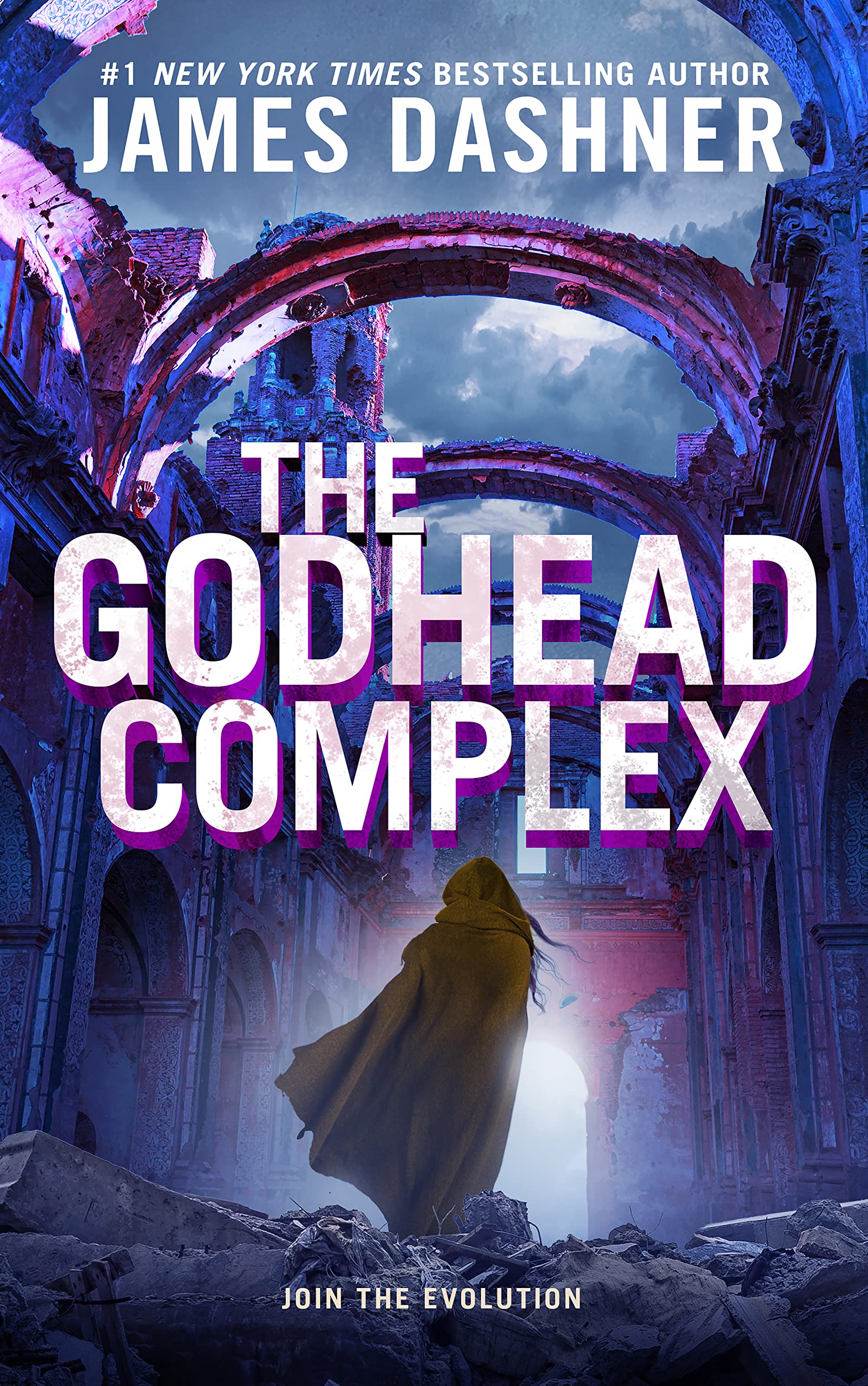
Book Review: Very Dangerous Things

Very Dangerous Things
by Lauren Muñoz

My rating: 2 / 5
Genre: YA mystery thriller

When a murder game at a private school specializing in criminology is preempted by the real murder of a high school student, the victim’s ex-girlfriend is the prime suspect. But Sierra insists she didn’t do it and tries to enlist her ex-best friend Dulce in clearing her name. Dulce may be intrigued, but it’ll take more than the pleas of the girl she now considers her nemesis to get her involved.

The idea of a real crime being committed during a murder mystery game at a school for people studying criminology (though I really can’t say how realistic a school like this is) greatly intrigued me. And in some aspects, the mystery was good. There are a lot of clues, many of which are unrelated to the case, and the author throws in a lot of herrings to keep the reader guessing. (Other reviewers say the culprit was obvious from the beginning, but I did not guess it until close to the reveal.)

However, in many other aspects, the plot, mystery, and characters fell flat for me. The book had very strong Veronica Mars vibes to me, even before the show was outright mentioned, and I don’t know how intentional that was. From the horrible, corrupt sheriff, to the whole town turning against Dulce and her dad, to Dulce and Co. breaking into all sorts of places they shouldn’t be, it brought the show to my mind a lot. Everyone in this story is lying to everyone all the time. And the absolute worst of it comes from Dulce’s (current) best friend Emi who does whatever she wants, no matter who she might upset, lies to her best friend constantly, and then has the gall to accuse Dulce of being a bad friend because she resisted helping with the case for a long time. And that’s just one example of the terrible people in this book making stupid decisions.

There are background flashbacks peppered throughout the story, which aren’t really a bad way to introduce extra information, except that the bulk of the story is written in 1st-person, present tense from Dulce’s POV, and most of the flashbacks are 3rd-person, past tense (unless the person the flashback is about is Dulce, then they’re 1st-person, past tense). It’s a little jarring. What really threw me off, though, was when, in one of these flashbacks, Dulce is stated to be 13 and is making out with a high school guy and drinking alcohol. At 13! But it’s for a case for a detective agency that she and her then-best friend ran together (at 13!), so it’s okay. Then I realized that the flashback was said to be 2 years previous to the rest of the book, which meant that Dulce is still only 15 when the rest of the book happens, as would be most of the other major characters (maybe early 16), which still just feels so young to me, considering what these kids are already into. But to be fair, I’m pretty old-fashioned, so pretty much any age in high school feels too young for what these kids are into, something that is probably worth noting for anyone reading this review.

That brings me to the rest of what bothers me, which I know won’t bother everyone, but I also know that some people who read my reviews will probably be happy to know about this kind of content: multiple on- or off-screen characters are LGBT, and there is mention of religious people who are against this kind of behavior in a negative way (how dare they pray for them!). It made me consider DNFing the book. But since I don’t give a star rating when I don’t finish a book, feeling like it’s not really fair to the book or the author, and I had an ARC of this book and can’t really not give it a rating, I kept going. And in the end, it’s actually overall fairly tame compared to other anti-Christian/religious views in this area (though it’s interesting to note that the religious people actually came around to be okay with the LGBT behavior, so there’s that).

I think this story had huge potential, and the author writes well (minus the jarring POV and tense changes). But it’s pretty clear to me that I was never going to be the right audience for this book or probably for this author. I don’t personally recommend this book to anyone, but please do consider looking into it more if you’re interested.

Thank you to Netgalley and Penguin Young Readers Group for providing me a copy of this book to review.

Find out more about Very Dangerous Things

See what I’m reading next.

If you’ve read this book, or read it in the future, feel free to let me know what you think!

Book Review: I Know What You Did Last Summer

I Know What You Did Last Summer
by Lois Duncan

My rating: 3 / 5
Genre: YA mystery

Is it a prank? Or something more? When Julie James finds the note addressed to her that says, “I know what you did last summer,” she thinks she knows exactly what it means. Someone has discovered the terrible event that occurred last summer that she and the three others she was with at the time agreed to cover up. And though the others try to convince her it’s unrelated, when the attacks start, it’s hard to believe it’s a coincidence.

If you’ve seen the movie, forget everything you know about it. This is not a horror/slasher story. It’s really more of a mystery, maybe even a thriller. I didn’t feel particularly thrilled, so I wouldn’t label it that myself, but that might be because I was distracted here or there, partly because of the movie. It came out when I was a teenager, right alongside Scream, and though I’m not really much of a horror fan, I did see both movies. And then a year later, Urban Legend. I’m pretty sure it all involved hanging out with friends. I was vaguely aware that this book wasn’t exactly the same as the movie, but I didn’t realize how different it was. (By the way, Lois Duncan was horrified by the movie.)

I tried to put aside my thoughts about the movie and start fresh for the book, once I realized how different it was, and that worked to a degree. But then there’s talk about making a phone call from a car, and I was distracted again. If the movie came out in the late 90s, when was the book written? Oh, 1978…then why do these teens have cell phones? Apparently this book was updated in 2010 to be more modern, which mostly includes the addition of cell phones, while some of the dialog still feels fairly dated to me. I wish I’d known in advance this was an updated version, as I might have tried to get my hands on an original instead. Of course, none of this review so far really talks about the story itself.

Overall, I have to admit to being fairly bored during this book (which is why I said above that I wasn’t particularly thrilled). There is a mystery involved in learning who is sending the notes and hunting Julia and her “friends,” and I’ll admit that I didn’t guess all of it. There’s a little bit of a twist, but getting there was just kind of…not terribly interesting. And at least half of the characters are just terrible. Maybe that’s on purpose, but if I’m supposed to feel any sympathy for Barry the misogynist, something went wrong. Still, it’s a quick read and overall not too full of sex, language, or even violence. So not a slasher novel. There are references to teen sex and drug use, but it’s not really overt. If you’re a fan of the movie, you might want to skip this unless you’re really interested in its origin. If you enjoy YA mysteries that are fairly short and slow, you might want to give this a try.

Find out more about I Know What You Did Last Summer

See what I’m reading next.

If you’ve read this book, or read it in the future, feel free to let me know what you think!