
In episode 49, we review The Raven, book #2 in Mike Nappa’s thrilling series, Coffey & Hill.
Also available on Spotify:
In episode 49, we review The Raven, book #2 in Mike Nappa’s thrilling series, Coffey & Hill.
Also available on Spotify:
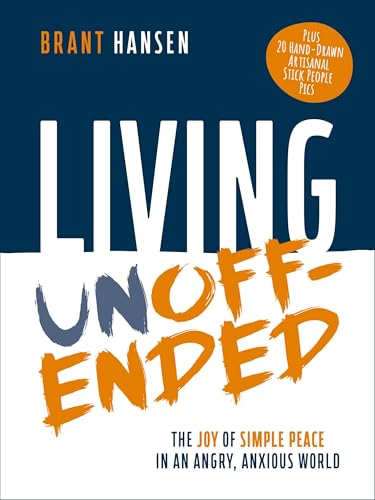
Radio show host Brant Hansen counters the common opinion that Christians are entitled to “righteous anger,” while also making a case about how learning to let go of our “right” to be offended can change our lives.
I read Unoffendable by Brant Hansen 6 years ago and found that it had a lot to offer; it helped me examine a lot in my life, not only about anger and anxiety but also hypocrisy and self-righteousness. As Brant says in the intro to this book, “We need to keep talking about this stuff.” Brant does a good job here of laying out why righteous anger doesn’t really make sense and how anger and worry mean we’re not trusting God like we should. He uses scripture as well as examples from both Christian and secular writers and thinkers to back up his claims, and he does it all with his signature humor. Brant also offers some practical advice for learning to let go of offense, becoming more humble and Christ-like, and trusting God more fully.
The book is basically a series of short essays, and some of the content comes from at least 2 of Brant’s other books (Unoffendable and Life Is Hard. God Is Good. Let’s Dance.). I haven’t read the 2nd of those books yet, and fortunately I read the 1st long enough ago that it didn’t feel like a repeat to me. However, if you have read either or both of those books, you may not feel the need to read this one. Not that there isn’t anything new here, but I’m not sure how much is new. I do recommend this book, as well all of Brant Hansen’s books, really, for Christians and non-Christians alike.
Thank you to Netgalley and W Publishing for providing me a copy of this book to review.
Find out more about Living Unoffended or The Brant & Sherri Oddcast
If you’ve read this book, or read it in the future, feel free to let me know what you think!
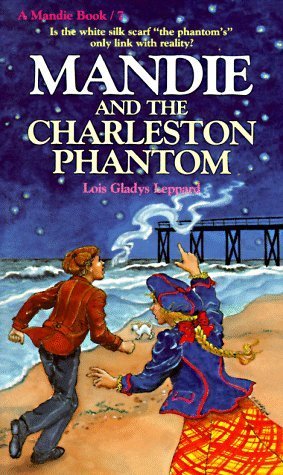
I read a lot of this series when I was a kid/pre-teen, and I read some of them to my now-teen daughter when she was younger. Nostalgia definitely affects my reviews for this series, and I’m okay with that.
Most of my issues with the previous books in the series have to do with Mandie’s attitude or actions and sketchy theology (there was a bit of that here too). This time, my biggest issue is just the super weak plot. It’s obvious the entire time who’s behind the “ghost,” and the reasoning for it ends up being so flimsy, it’s easier to believe that the culprit only agreed with the suggested reason because it was at least a little better than just the real motive—plain mean-heartedness. There’s also too much focus on boys liking Mandie, thinking she’s pretty, even wanting to marry her someday, for a book about a 12-year-old girl. I’m sure I thought it was sweet or even romantic when I was a pre-teen, but it could definitely have at least been toned down. While I think these books can still be good for younger people to read, especially if you’re looking for something with Christian content, I strongly recommend discussing what’s good and bad in them with your kid(s) after they read it.
Find out more about Mandie and the Charleston Phantom
If you’ve read this book, or read it in the future, feel free to let me know what you think!

Gabrielle Thorn’s father confessed to murdering 6 women, but for 10 years, he refused to reveal where their bodies were. As both the 10th anniversary of his conviction and the date set for his execution approach, Gabrielle returns to the town where the murders took place with a new name and new story. Now she’s Ryan Shipley and even the cousins she’s living with don’t know who she really is. Ryan just wants to live as normal a life as she can before she graduates and leaves town for good, but as the search for the victims’ bodies heats up, she starts to get texts from an unknown sender threatening to reveal her true identity.
I don’t think I’d call this book a thriller, and it’s not much of a mystery either. For one thing, the murders have been solved. The only mystery here is where the bodies are, and Ryan does not spend any remotely significant amount of time in the story trying to figure that out—in fact, she actively avoids it as much as possible. For me, there was some suspense in the book, but that was really mostly due to me thinking there was going to be more going on than met the eye. There really wasn’t. A lot of the book is spent with Ryan feeling guilty, nauseous, etc. over what her dad did, the lasting effect he still has on his victims’ families, and keeping her secret from people she’s getting close to. She constantly does things she thinks are a bad idea, mostly chalked up to hormones, and basically is just carried along by the actions of those around her.
Romance is here in full force, though, albeit a worldly, YA version of romance. Ryan is pursued by the football quarterback, which then turns into a predictable-yet-ridiculous love triangle. In fact, around the 75% mark, when a thriller should be heating up, instead the serial killer side of the story slows way down as the romance heats up, and for a few chapters it seems the only focus is the physical side of this new relationship (which, by the way, is the only side to the relationship). After that, there are some reveals, at least one that could probably be seen as a twist, but I still kept expecting something else exciting or unexpected to happen, but the story played out fairly blandly to the end. So much of what happens in the last several chapters is illogical or just really stupid decisions on Ryan’s part.
So, I don’t really recommend this book to anyone. Younger readers might not be as bothered by the plot holes, terrible characterization, or other things that made me roll my eyes. However, the graphic nature of at least one of the physical interactions between Ryan and her triangle guy is inappropriate for teens. And for once, after reading other reviews, I’m not the only one that felt that it went too far, even amongst reviewers that are less conservative than I am. So let that be a warning to anyone considering reading this, of any age, really.
Thank you to Netgalley and Random House Children’s Books for providing me a copy of this book to review.
Find out more about Thornbird
If you’ve read this book, or read it in the future, feel free to let me know what you think!
I read 21 books last month, which is pretty much insane for me. Not only is that a high monthly number for me, I broke my previous record of pages read during one month with 766 more pages than my previous high, set in January of this year. My audiobook consumption is getting insane… (10 of these books were audiobooks). I’ve been doing a lot of re-reading via audiobooks lately, mostly to refresh my memory on books I read a while ago before my daughter and I record podcast episodes for those books. It’s really helpful to have so many books I don’t have to write new reviews for…I don’t know if I could have very easily written 21 reviews last month.
Here are the books I read in July:



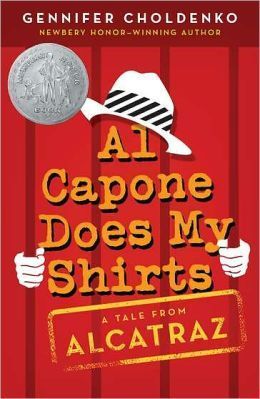

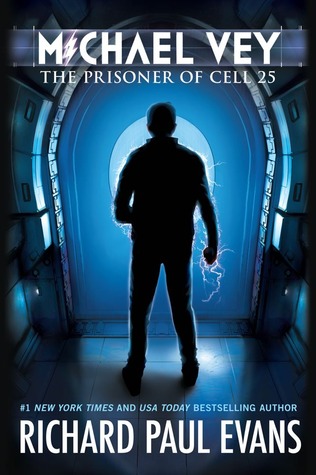
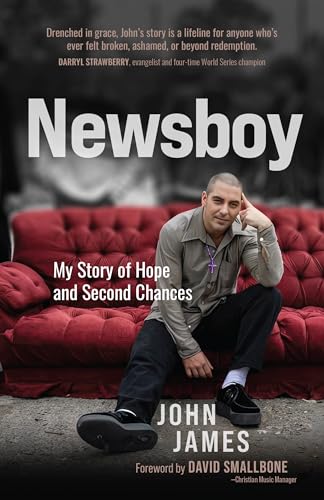

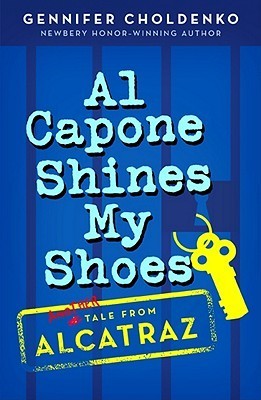




Homicide at Blue Heron Lake by Susan Page Davis & Megan Elaine Davis (4 / 5)
Dead Men Don’t Play Fetch by David Rosenfelt (4.5 / 5)
Genius Camp by Chris Grabenstein (4 / 5)
Parks and Rec by Jennifer Keishin Armstrong (2 / 5)
Boy-Crazy Stacey by Ann M. Martin (2 / 5)
Al Capone Does My Shirts by Gennifer Choldenko (5 / 5)
Out of Darkness by Daniel J. Atkins (4 / 5)
The Prisoner of Cell 25 by Richard Paul Evans (4 / 5)
Newsboy by John James (5 / 5)
Flop Dead Gorgeous by David Rosenfelt (5 / 5)
Al Capone Shines My Shoes by Gennifer Choldenko (4 / 5)
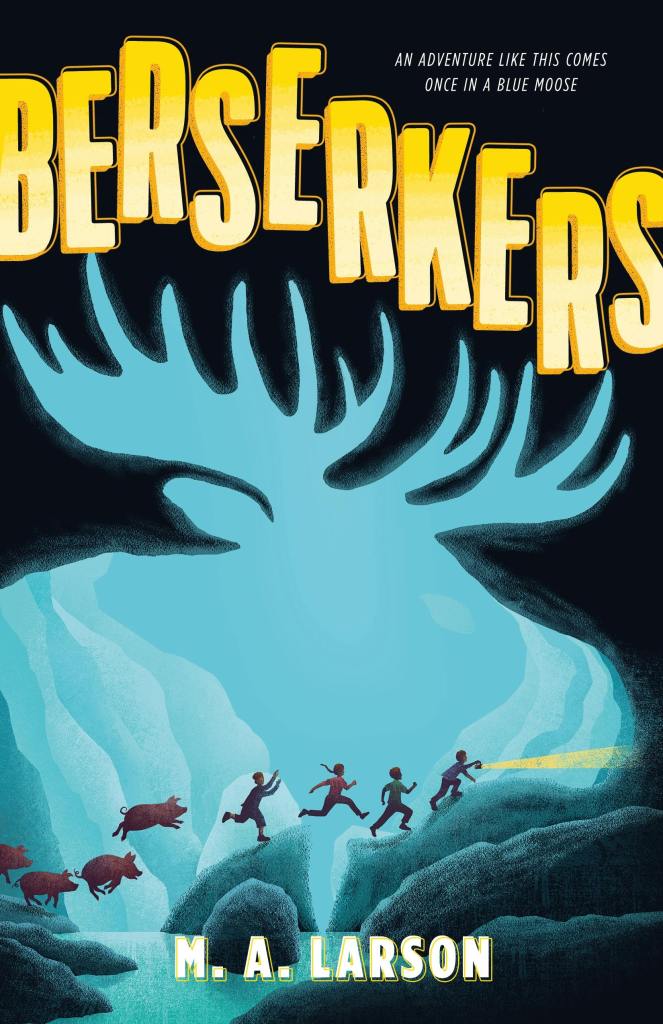
Berserkers by M.A. Larson (4.5 / 5)
The Librarians and the Mother Goose Chase by Greg Cox (3.5 / 5)
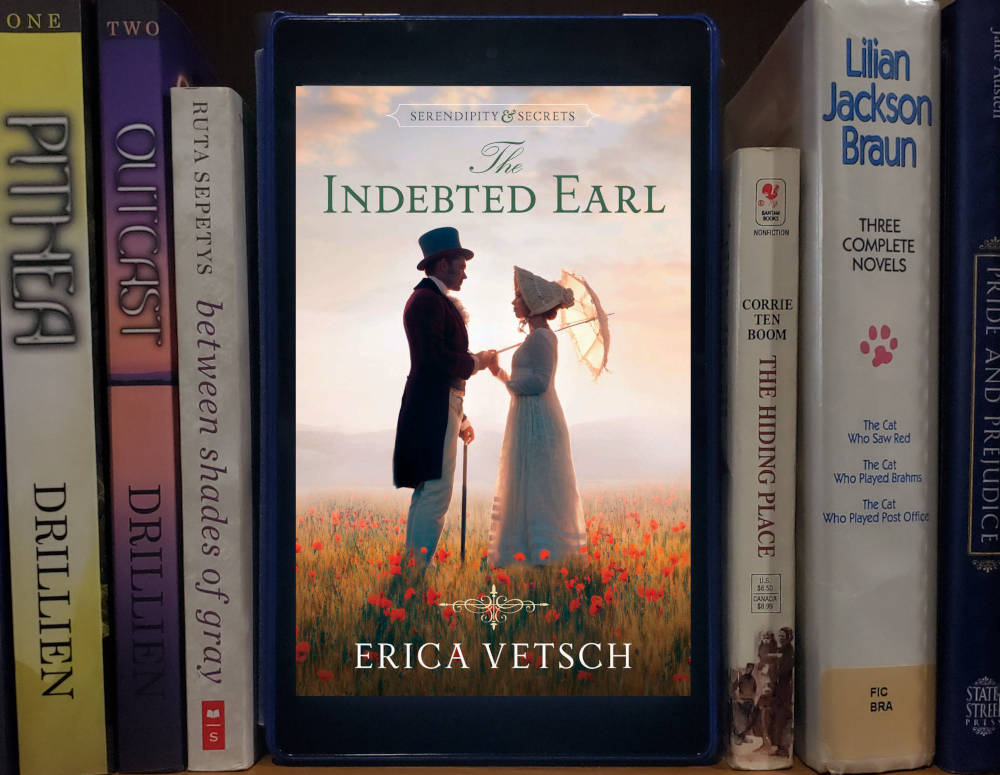
The Indebted Earl by Erica Vetsch (4.5 / 5)
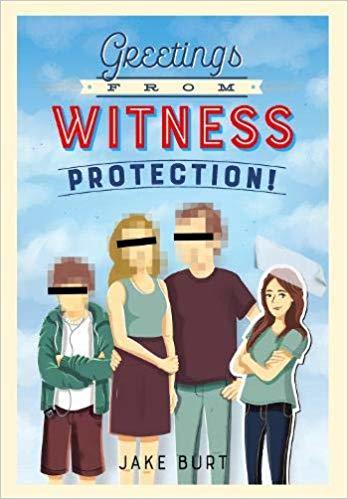
Greetings from Witness Protection! by Jake Burt (5 / 5)
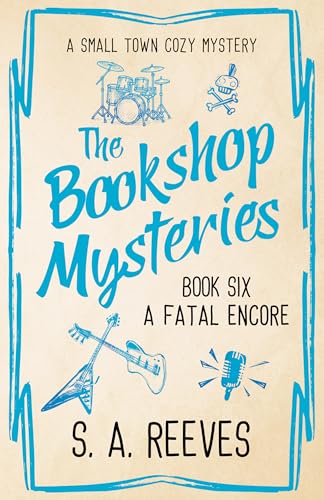
A Fatal Encore by S.A. Reeves (3 / 5)
The Game Masters of Garden Place by Denis Markell (3.5 / 5)
The Institute by Stephen King (4.5 / 5)
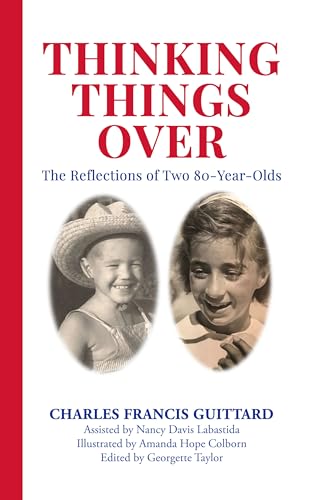
Thinking Things Over by Charles Francis Guittard (3.5 / 5)
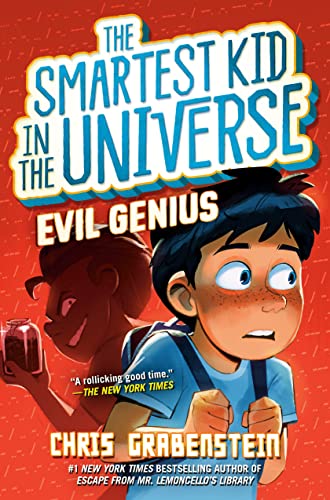
Evil Genius by Chris Grabenstein (4 / 5)
Library of Forbidden Books by Mario Escobar (2 / 5)
This list includes 5 ARCs and 8 re-reads. My favorite book from July was Flop Dead Gorgeous. I started 2 series, continued 3 series, and finished 2 series. My ever-changing short list of to-be-reads, as well as a flag for the book I’m currently reading and an ongoing list of those I’ve read and posted about can be found here.
I’m also keeping my Goodreads page updated with a more extensive list of to-be-reads. Despite my almost too-long TBR list, I’m always looking for more to add. Feel free to offer suggestions of your favorites or just recent reads you enjoyed.
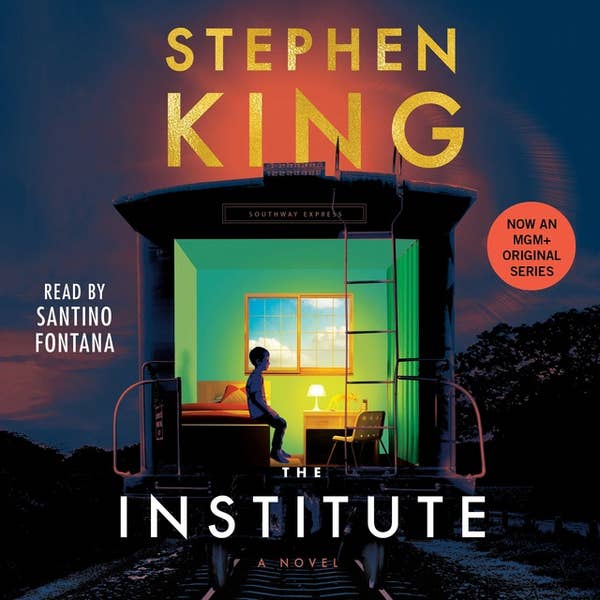
When 12-year-old genius Luke Ellis is kidnapped from home, it turns out his kidnappers don’t care at all about his high IQ. They want him for his minor psychic abilities, along with other kids, all of whom are taken to the Institute and given lots of tests and shots. When they first arrive, they are in Front Half, where the food is good but the adults are cruel. Luke learns that kids are eventually taken to Back Half, after which, they’re told, they’ll be returned to their families. But Luke doesn’t trust these people who punish any slight insubordination with brutality, and as his time in Front Half nears its end, he becomes increasingly desperate to escape.
I really enjoyed this book and was engaged all the way through. Even when I felt like the narrative had taken a strange turn, or when I was confused when the first several chapters seemed completely unrelated to the main story, I was interested, invested, and always looking forward to when I could get back to listening to the audiobook again. The suspense and intensity build throughout the book, as stakes get higher and more is revealed about the Institute. I really appreciate that the main character isn’t the strongest, psychically speaking. He’s a genius, but really on a meager TK (telekinetic). He needs help from other kids, especially one that’s a particularly strong TP (telepath). And the anticipating of seeing how Luke’s story would intersect with the seemingly unrelated man we’re introduced to in the first 15 chapters adds to the suspense.
The ending was a little anti-climactic, maybe a little bit of a letdown after an otherwise great story. Overall, though, I really enjoyed my first full-length Stephen King novel. I’m still not sure I’m ready for any of his horror books yet, but this won’t be my last King novel. Santino Fontana did a great job with the narration, too, and added to my enjoyment of the book. I can’t speak to how this compares to King’s other works, but I do recommend this books to anyone interested in the premise or genre.
Find out more about The Institute
If you’ve read this book, or read it in the future, feel free to let me know what you think!
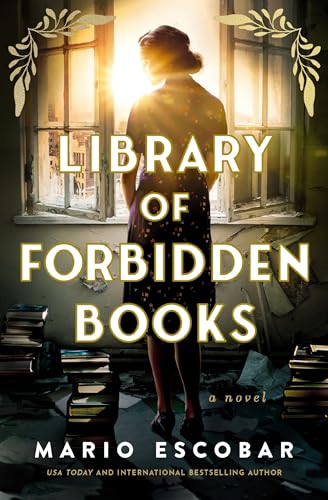
Helene Nathan is a librarian in Berlin, one of the first women to hold a management position in a major library in Berlin. As Hitler begins his rise to power in Germany, the Nazi party begins to confiscate books that are by authors they don’t like or that are seen as contrary to the German worldview. Helene and her fellow librarians will do what they can to protect as many forbidden books as possible, but it’s not easy to stay ahead of the Nazis.
One of my biggest issues with this book is that it tries to do too much and thus the main plotline suffers. Besides the premise above, Helene’s significant other, Derek, is the 2nd-in-command to Werner von Blomberg, who eventually becomes Minister of War. A lot of the book shares details about pre-war Germany, the Nazi party’s rise to power, and political and military machinations. Helene spends time in a women’s concentration camp, which is also a decent portion of the book. Spanning over 10 years, the narrative dips in to days or moments here and there and then speeds by other times. Though various different aspects of the book are interesting and informative, it wasn’t the kind of story I was expecting to read. I never felt all that connected to Helene, and in the end, I couldn’t help but wonder what the real purpose of the story is. Maybe it’s only meant to warn against the dangers of censorship, but it all felt fairly light, really.
The vast time frame of the story and the fact that Helene Nathan is based on a real person, the book does read like nonfiction, or at least a fictionalized version of a real story. But though of course real details about German before and during WWII were used in the book, very little of the story is real. Every side character that isn’t someone in the Nazi Party is fiction, and Helene’s life beyond her job as librarian and a stint in a Jewish bookstore is made up, including her time in a concentration camp and the hiding of forbidden books. I’m not saying I’m against any of this fictionalization, even with a real person as a starting point, but it brings me back to my issue with there being too much going on in the book. Maybe Escobar felt it would be too convenient if Helene was never arrested or simply wanted to show a concentration camp for part of his story. Maybe there just wasn’t enough for a whole book without the inclusion of these extra things, and it’s true that even feeling bloated, the book isn’t really all that long. I’m not sure there’s much in this book that I haven’t read in other books, fiction or non. Due to the publishing company being Thomas Nelson, I kept hoping for something to come out of Derek starting to have talks with a Christian pastor. But in the end, we’re left with more hopelessness than anything uplifting. The wins, at least to me, outweigh the losses. And sure, I guess that’s realistic, but since Escobar isn’t intending to stay true to a real-life narrative, I would have preferred an ending where the library isn’t the only winner.
Ultimately, this book missed the mark for me, but if you’re interested in the premise, don’t let my preferences dissuade you. Check out positive reviews at the link below and decide for yourself.
Thank you to Netgalley and Thomas Nelson for providing me a copy of this book to review.
Find out more about Library of Forbidden Books
If you’ve read this book, or read it in the future, feel free to let me know what you think!

